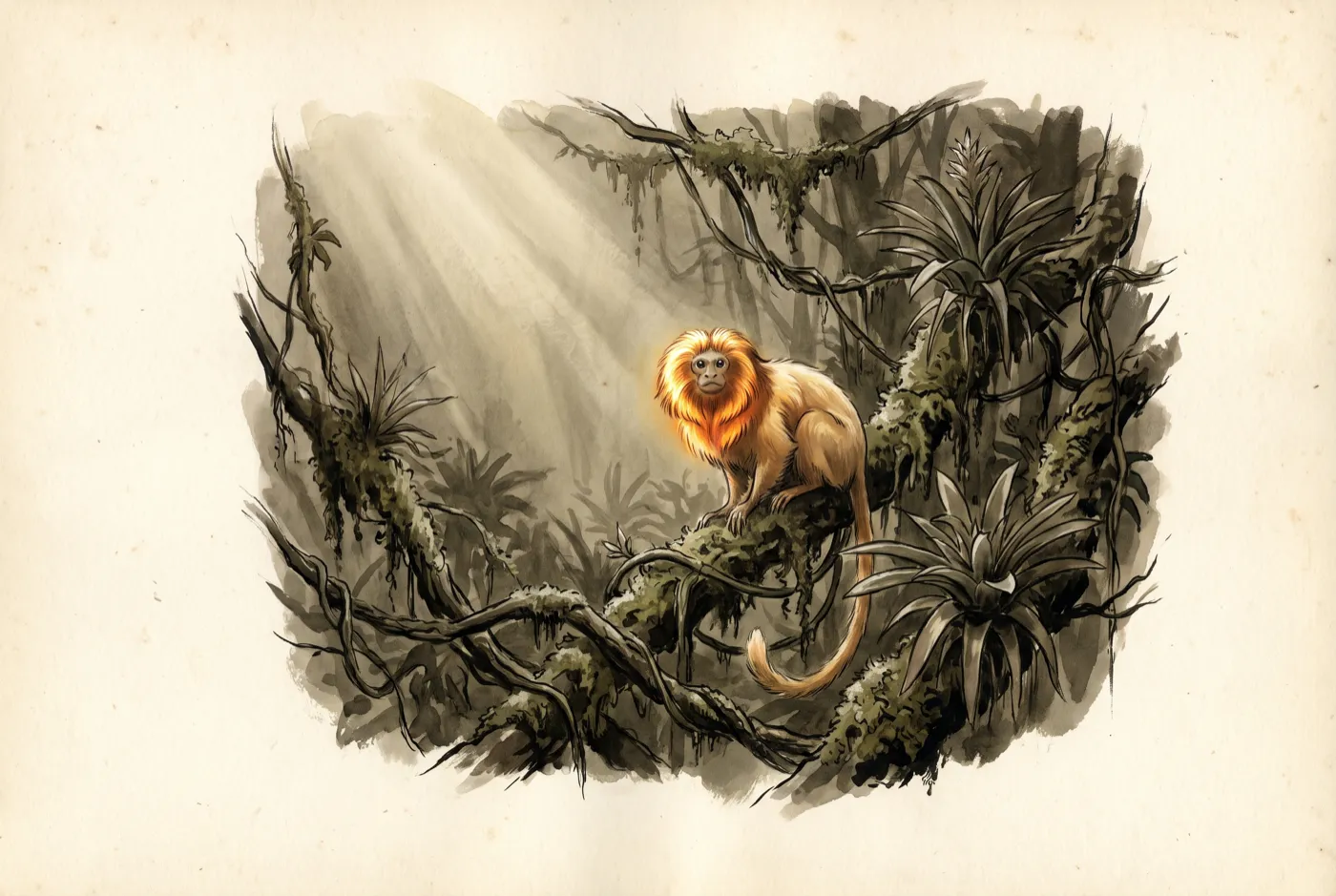
A symbolic animal adoption is a donation to a charity, sold with a certificate, a photograph and regular updates about one animal or one species. The money is not tied to that animal alone. Every programme read for this note says so in its own terms: many people adopt the same animal, and the funds are spread across a species, a group of animals, or the charity's wider work. That makes an adoption a real gift, and a fairly flexible one. What differs between programmes is how close the money stays to the animal on the certificate.
Four programmes, in their own words
These are the adoption terms as each charity published them in October 2026.
WWF-UK calls its adoptions symbolic, says the animals always remain in the wild, and says an adopter supports "a whole group of these animals, rather than one individual". The money goes both to the adopted species and to WWF's wider work. The minimum is £5 a month by Direct Debit or a one-off £60, and adopters get three updates a year.
Born Free describes its scheme as co-sponsorship: several people adopt the same animal. Money funds the care or protection of the adopted animal or species and other Born Free projects, and the page says plainly that adoption funds "will be used across the charity where it is needed most". Adoptions start at £3 a month or £36 for the year.
The Sheldrick Wildlife Trust runs an orphan elephant and rhino programme in Kenya. Each orphan has more than one adopter, and the funds go to all the orphans, the trust explains, because some attract more adopters than others. It lists what the money buys — rescue transport, milk, stockade upkeep, vehicles, Keeper salaries, ranger patrols, aerial surveillance — and sets the minimum at US$50 a year. Updates are entirely digital.
World Animal Protection UK sets a minimum of £4 a month, which it works out as £48 a year, and estimates the welcome pack at about £2, with a few pounds more for a year of updates.
The pooling is the point
It is tempting to read "your money is not tied to this animal" as small print hiding something. The Sheldrick explanation shows why it is the opposite. Some orphans attract more adopters than others, and a programme that paid each animal's keep from its own adopters would leave the less chosen ones short. Pooling is how a charity stops popularity from deciding which animals get care.
It is also why an adoption sits on the unrestricted end of giving, closer to a general donation than to a grant for a named project. As the note on where money for endangered species actually goes sets out, that flexibility is usually what field organisations are shortest of.
When the animal and the money part ways
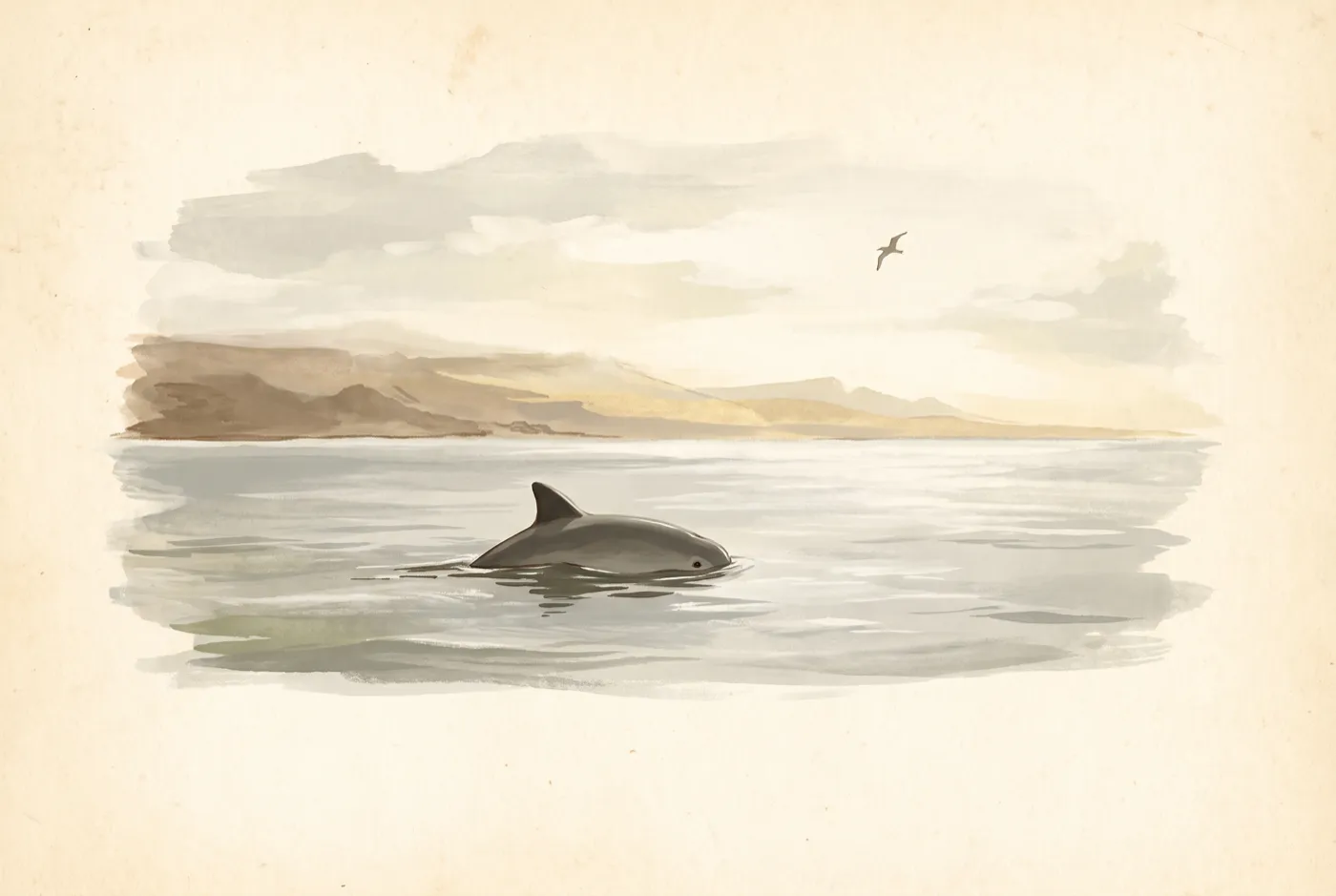
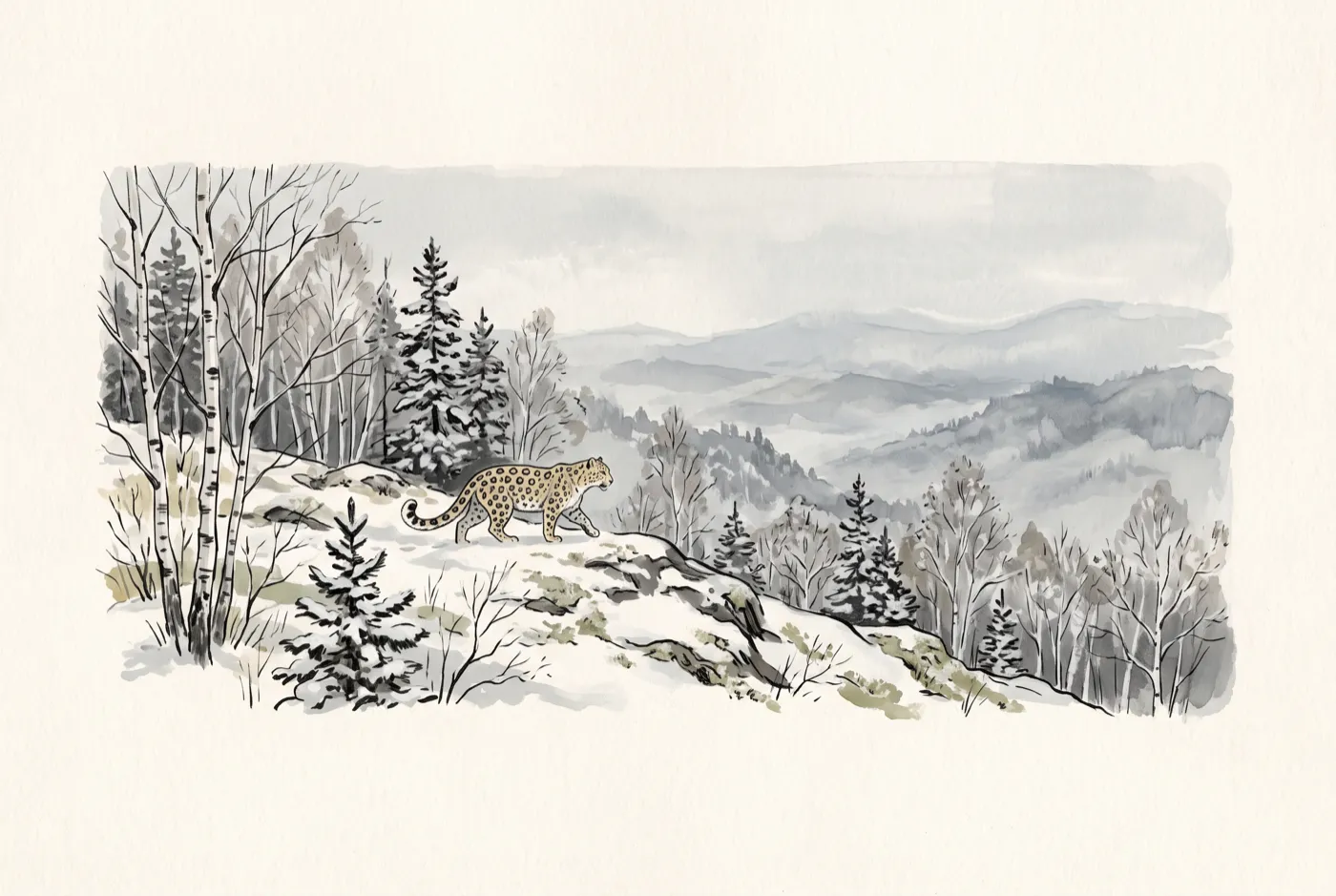
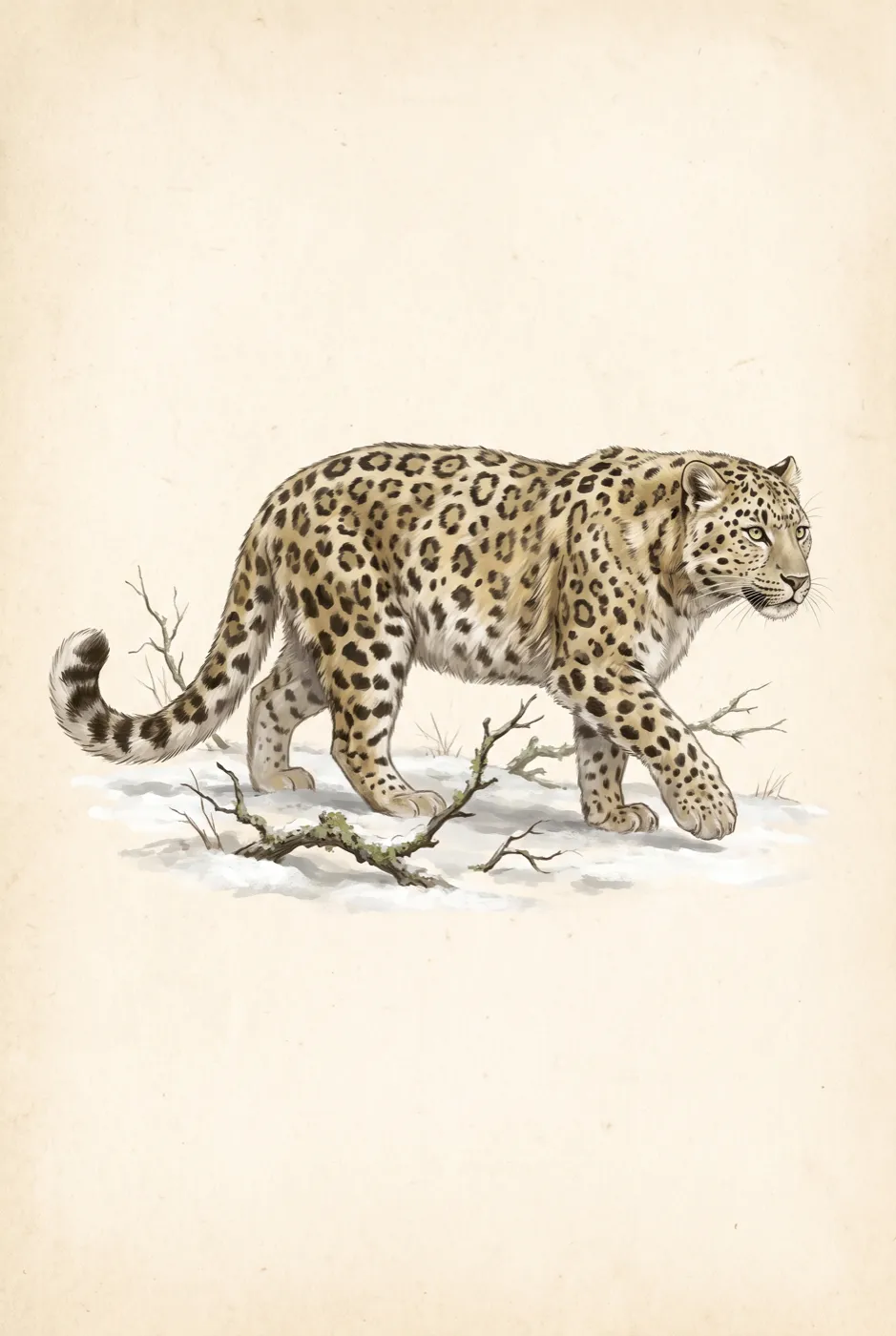
The fine print matters most when circumstances change, and WWF-UK's FAQ records two cases. Russia's Prosecutor-General designated WWF's activities "undesirable", WWF-Russia left the network, and WWF-UK says it can no longer fund the work it used to support there, including through the Amur leopard adoption. It now suggests a tiger adoption instead. Separately, it stopped taking new lion and dolphin adopters and phased both out by the end of October 2022, because those adoptions had become less cost-effective.
Neither is a scandal. Both are what a symbolic adoption is: a relationship with a species, sustained by a donation the charity spends where it can.
The plush toy is not free
Part of the price buys the pack. Born Free says that, for VAT purposes, £13.50 of an adoption is treated as payment for benefits if you take the soft toy, and £6.00 if you do not, and that a digital adoption sends 33% more of the fee directly towards helping animals than a physical pack does.
In the United States, the IRS treats a gift that comes with goods as a quid pro quo contribution. Only the amount above the fair market value of what you received is deductible, and a charity must disclose that value when the payment is more than $75. A digital adoption, with no toy, is closer to a plain gift.
Reading an adoption page
Three questions settle most of it:
- Is the money pooled across a species, a group of animals, or the whole charity? Every programme here pools; they differ in how far.
- Is the animal in the wild or in care? WWF-UK's adoptions follow wild populations. Born Free funds lifetime care for some rescued animals that cannot return to the wild; Sheldrick rears orphans for a return that can take up to ten years. That is not the same task as keeping a whole species in human care until it can go back, which is what Extinct in the Wild describes.
- What will you hear back? Three updates a year and a monthly keepers' diary are different relationships with the same animal.
Those answers are on each charity's own FAQ, which is where the figures above came from. The keepers, rangers and field staff those pages describe are the people the money pays for.
Sources
Read the same pages this note was written from. A citation is not a partnership or an endorsement.
- wwf.org.uk · https://www.wwf.org.uk/faqs/adoptions
- bornfree.org.uk · https://www.bornfree.org.uk/news/all-you-need-to-know-about-born-free-animal-adoptions/
- sheldrickwildlifetrust.org · https://sheldrickwildlifetrust.org/faqs
- worldanimalprotection.org.uk · https://worldanimalprotection.org.uk/get-involved/adopt-an-animal/faq
- irs.gov · https://www.irs.gov/charities-non-profits/charitable-organizations/charitable-contributions-quid-pro-quo-contributions
The app
Reading is where it starts.
Witness brings one species a week to your phone: a drawn plate, its true story with sources, and one honest action. These notes are the reading between them.
More in Attention
View all →