CITES is the Convention on International Trade in Endangered Species of Wild Fauna and Flora, a treaty signed by 21 nations in 1973 and in force since 1975, after ten countries ratified it. As of January 2026 it had 185 parties — 184 countries and the European Union — and covered more than 40,900 species. What it regulates is narrow and specific: whether a listed plant or animal, alive or dead, whole or in pieces, may cross an international border. It is not a habitat law and not a hunting law.
Three lists, and one of them holds nearly everything
The treaty works through three appendices, and the distinction between them is about trade risk rather than rarity.
- Appendix I covers species "threatened with extinction which are or may be affected by trade." Commercial trade is generally prohibited, with narrow exceptions for science, breeding and education. - Appendix II covers species that are not necessarily threatened now but "may become so unless trade in specimens of such species is subject to strict regulation." Commercial trade is allowed if an exporting country determines it will not be detrimental to the species in the wild. - Appendix III holds species a single country already regulates at home and has asked the other parties to help it police.
Appendix II is where almost all of the treaty lives: roughly 97 per cent of CITES-listed species sit there, according to the Congressional Research Service's January 2026 report. As of that report the total stood at about 34,310 plants and 6,610 animals — a ratio that surprises most people, and a reminder that the treaty was never only about charismatic mammals.
What it cannot touch
Here is the part that gets lost. CITES applies to trade between party nations and nothing else. It does not regulate how many animals a country's own hunters may take, it does not restrict logging or farming or drainage, and it has no view on whether a species has anywhere left to live. A species can hold the strictest listing the treaty offers and still lose its last forest to a road, entirely lawfully, because the road is not trade.
Nor does CITES enforce itself. "The enforcement of CITES is primarily the responsibility of the party countries," the CRS report states, and the treaty "does not have any enforcement authority." Each party is responsible for writing the convention into its own legislation and attaching its own penalties. In the United States that is done through the Endangered Species Act — which is why the two get conflated, and why the answer to "is this species protected?" depends on which country is being asked.
A party can decline a listing
The mechanism that most repays reading closely is the reservation. When a party finds a listing unacceptable it may enter a reservation against it. That party is then treated as a non-party state by the others for trade in that species, for as long as the reservation stands. The vote it lost does not bind it.
This is not a loophole somebody discovered; it is in the design, and it is the price of getting sovereign states to sign a trade treaty at all. It is also the reason a listing is a negotiated outcome rather than a scientific finding — a distinction worth holding on to, because the IUCN Red List is the opposite: an assessment that binds nobody. The United States, for its part, had entered no reservations as of the January 2026 report, while ranking as the world's second-largest importer of CITES-listed wildlife after China.
What changed at the last meeting
Listings are amended at a Conference of the Parties, held every two to three years, and adding or moving a species usually takes a two-thirds vote of those present and voting. CoP20 met in Samarkand, Uzbekistan in late 2025 — the treaty's fiftieth year — with more than 3,200 delegates from over 160 parties.
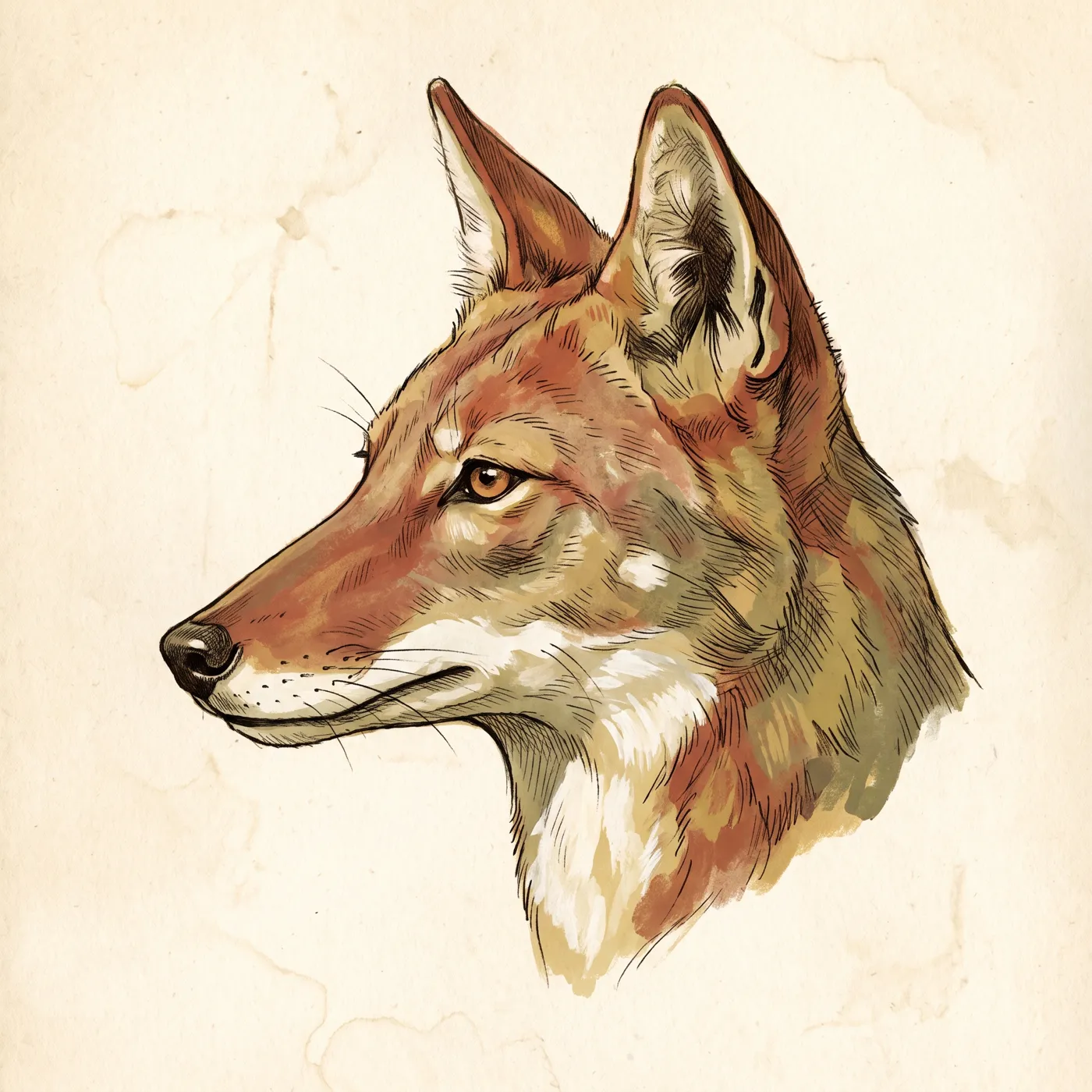
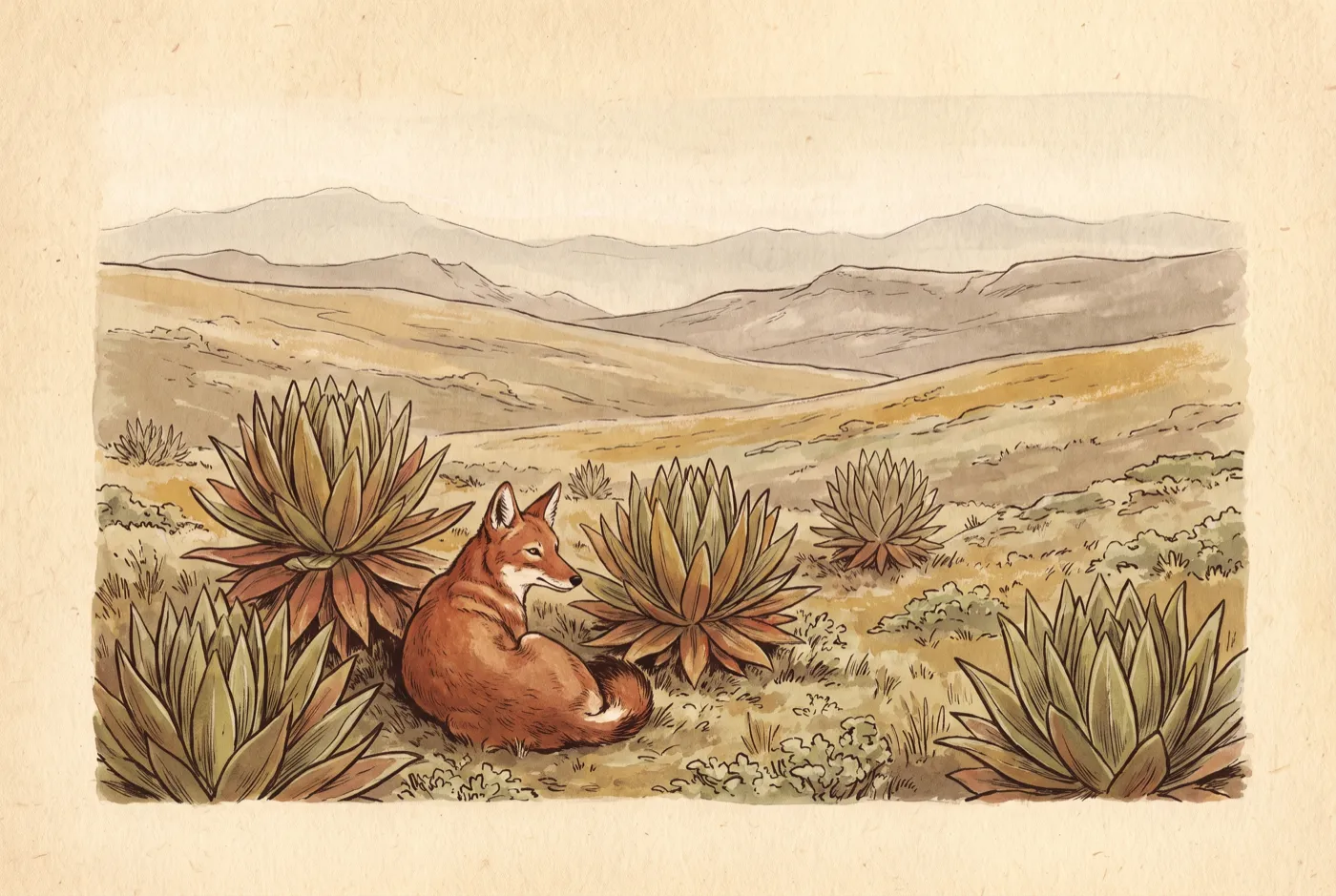
The outcomes ran in both directions, which is the honest shape of a negotiation. The okapi, the golden-bellied mangabey, the whale shark, the oceanic whitetip and all mobulid rays were uplisted to Appendix I. Galápagos iguanas, several African vultures and hornbills, dozens of shark species and the Bale Mountains adder — from the same Ethiopian highlands as the wolves — were added to Appendix II. The bontebok was deleted from Appendix II, and protections for saiga antelopes were reduced. The next meeting is scheduled for Panama in 2028.
Checking a species yourself
The treaty's own listing tools are public and searchable — the CITES checklist and Species+ — and either will tell you where a given species currently sits. If you only remember one thing, make it the question those tools actually answer: not whether an animal is safe, but whether it may legally cross a border.
Sources
Read the same pages this note was written from. A citation is not a partnership or an endorsement.
- everycrsreport.com · https://www.everycrsreport.com/reports/RL32751.html
- fws.gov · https://www.fws.gov/program/cites
- awionline.org · https://awionline.org/awi-quarterly/spring-2026/cites-cop20-concludes-with-conservation-successes/
- news.un.org · https://news.un.org/en/story/2025/07/1165151
- checklist.cites.org · https://checklist.cites.org/
- speciesplus.net · https://speciesplus.net/
Free to read
Reading is where it starts.
Witness keeps one species a week: a drawn plate, its true story with sources, and one honest action. The archive is open to read, and these notes are the reading around it.
More in Policy
View all →