The IUCN Red List of Threatened Species is a published assessment of how likely a species is to go extinct, produced by the International Union for Conservation of Nature's Species Survival Commission together with the IUCN Global Species Programme and a partnership of member organisations. It sorts species into categories against a written standard and records the evidence behind each one. It is not legislation. A species placed in a threatened category gains no legal protection from being placed there. Protection comes from national laws and international treaties, decided by other bodies, under different criteria, on their own timetable.
Who does the assessing
The route to publication is formalised, and the formality is the point. The IUCN Red List Unit is the gatekeeper: every assessment that appears on the list has to be submitted to it and pass its final checks.
The assessments themselves come from Red List Authorities, which are not individual people but standing groups appointed under the Species Survival Commission — usually its taxon-specific Specialist Groups, except where a partner institution holds the role instead. BirdLife International is the Red List Authority for all birds.
Within that process the roles are separated on purpose:
- Contributors gather and supply the raw data. - Assessors apply the categories and criteria to a species and document how they reached the result. - Reviewers check it. At least one named reviewer must be independent of the assessment, must not be the same person as the assessor, and must sign a declaration of conflicting interests.
Assessments also arrive from IUCN's own global assessment programmes and from external projects run by universities, individuals and national red list initiatives; those have to be signed off by the relevant Red List Authority's coordinator. Two standing bodies may also check any assessment before publication for consistent application of the criteria across taxonomic groups.
A published listing can also be challenged. A petition against a current listing goes to a process the Standards and Petitions Sub-Committee arbitrates, and the Red List Authority is required to abide by what it decides.
What the standard says about its own reach
The rules live in IUCN Red List Categories and Criteria. The category system was adopted by IUCN Council in 1994; the current version, 3.1, was approved in 2000, published in 2001 and reissued in a second edition in 2012.
Its introduction is careful about a distinction that rarely survives into secondary explainers. The system exists to classify species by extinction risk, and while it may focus attention on the taxa at highest risk, the document says plainly that it is not the sole means of setting priorities for the conservation measures that would protect them.
A later section makes the point harder. A category of threat is not necessarily sufficient to determine priorities for conservation action, because the category assesses extinction risk under current circumstances, whereas deciding what to do involves cost, logistics, the chance of success and the biology of the particular case.
That is the whole distinction. A category is a reading of risk. A priority is a decision about money and effort. The standard does not confuse the two.
The law is a separate machine
In the United States, whether a species is legally endangered is decided under the Endangered Species Act on five statutory factors: destruction or modification of habitat, overutilisation, disease or predation, the inadequacy of existing regulatory mechanisms, and other natural or manmade factors affecting its continued existence. The determination must be made solely on the best scientific and commercial data available, and any interested person or organisation may petition to add a species, remove it, or reclassify it.
Read the fourth factor again. It asks whether existing regulation is working — a question about statutes, not about animals. Nothing in the IUCN criteria asks it; they measure rate of decline, size of range, number of mature individuals and modelled probability of extinction. The two systems can be applied to the same species and return answers that do not line up, because they were built to answer different questions.
A global label, read locally
The categories were designed for global assessments of a whole species. The standard warns that a global category may not match a national or regional one: a species of Least Concern worldwide can be at severe risk in one country at the margin of its range, and a globally threatened species can be secure in a place where it happens to be doing well. Anyone quoting a category is quoting a scale as well as a label.
Reading an entry honestly
The update published on 9 July 2026 brought the list to 175,909 assessed species, 49,505 of them threatened. Those are counts of assessments, not a census of life.
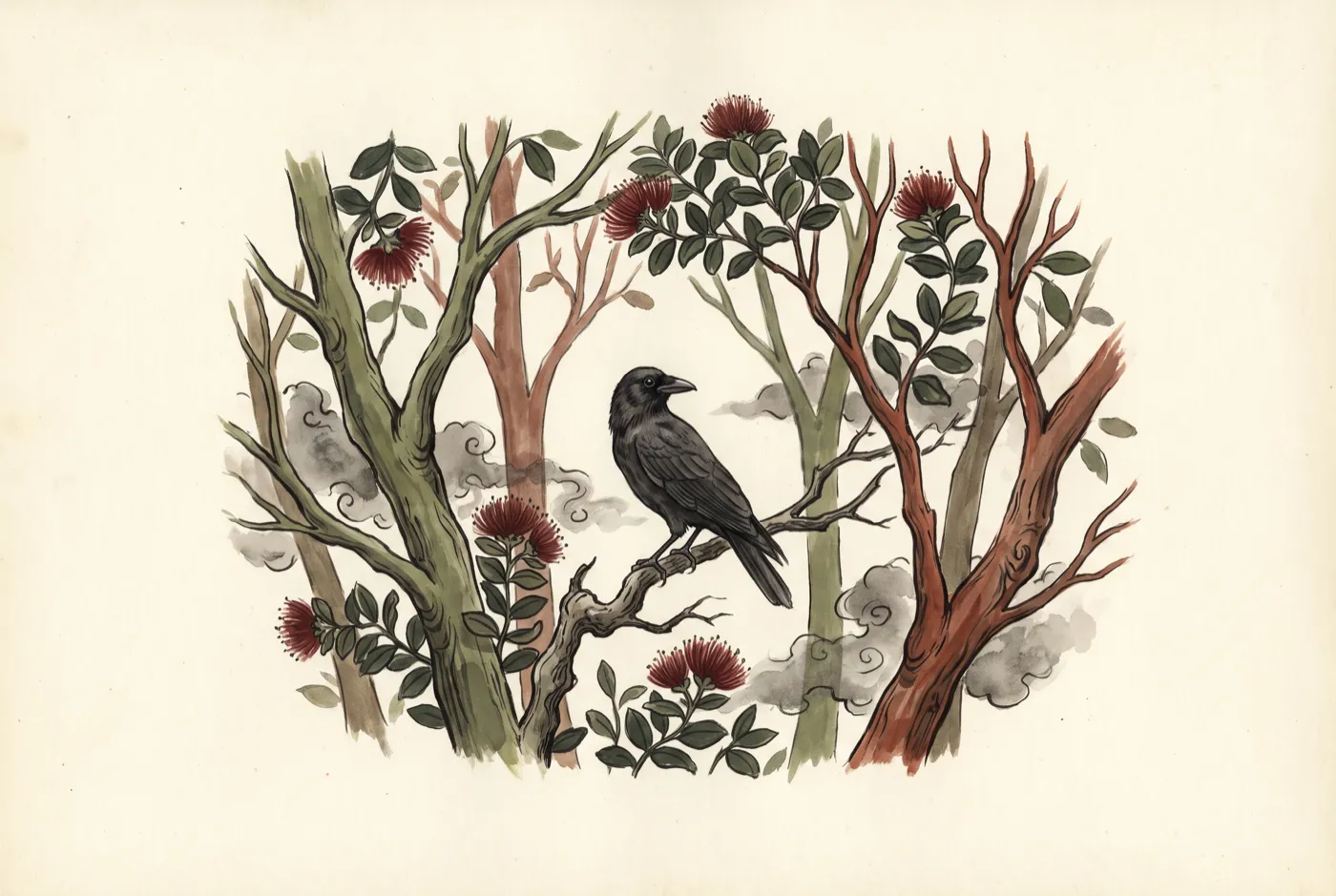
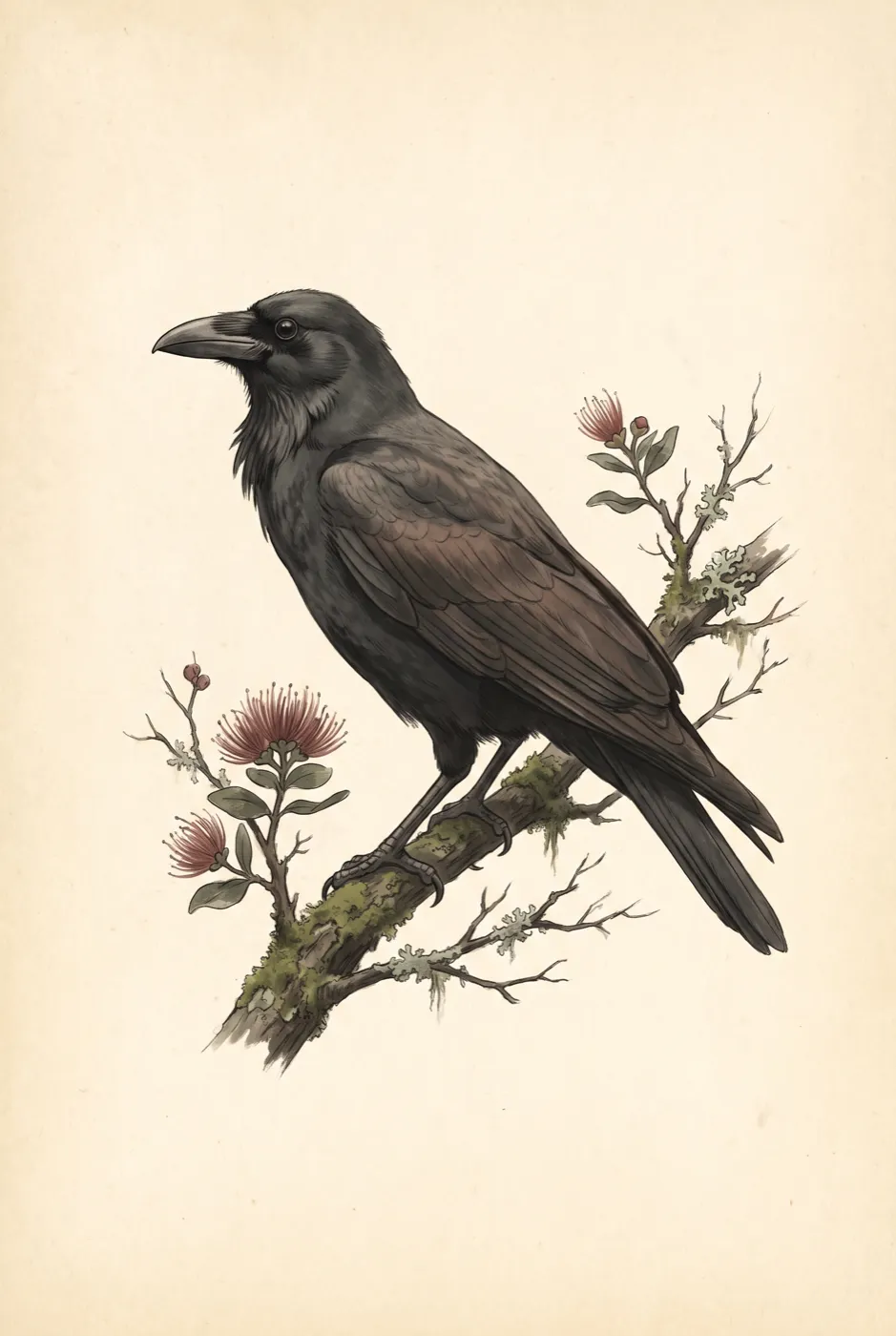
An entry tells you which group assessed a species, under which version of the standard, on what evidence, and when. It does not tell you that anyone is obliged to do anything about it. The US Fish and Wildlife Service records that the ʻalalā, the Hawaiian crow, has been extinct in the wild since 2002 and survives in captivity — and Extinct in the Wild is precisely the category the Red List keeps for that situation. The category is the record of the fact. Whatever happens to the bird itself will be done by the people running the aviaries and the releases.
It is the same caution that applies one category down, where the label is routinely quoted in place of a number.
Sources
Read the same pages this note was written from. A citation is not a partnership or an endorsement.
- portals.iucn.org · https://portals.iucn.org/library/sites/library/files/documents/RL-2001-001-2nd.pdf
- nc.iucnredlist.org · https://nc.iucnredlist.org/redlist/content/attachment_files/Rules_of_Procedure_for_IUCN_Red_List_Assessments_2017-2020.pdf
- iucn.org · https://iucn.org/press-release/202607/desert-frog-deep-sea-molluscs-remarkable-species-risk-iucn-red-list
- fws.gov · https://www.fws.gov/laws/endangered-species-act/section-4
- fws.gov · https://www.fws.gov/program/listing-and-classification
- fws.gov · https://www.fws.gov/project/alala-project
Free to read
Reading is where it starts.
Witness keeps one species a week: a drawn plate, its true story with sources, and one honest action. The archive is open to read, and these notes are the reading around it.
More in Numbers
View all →