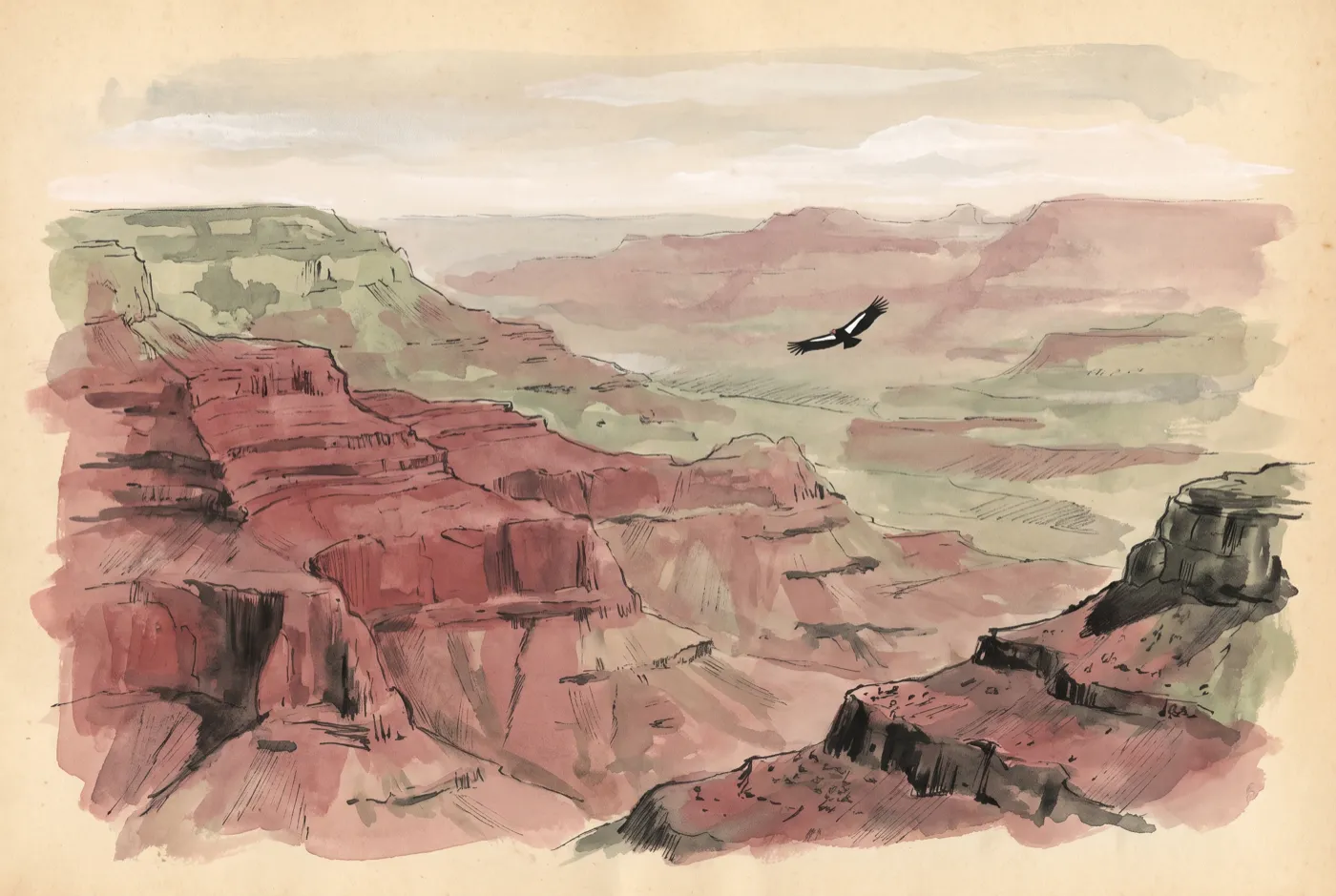
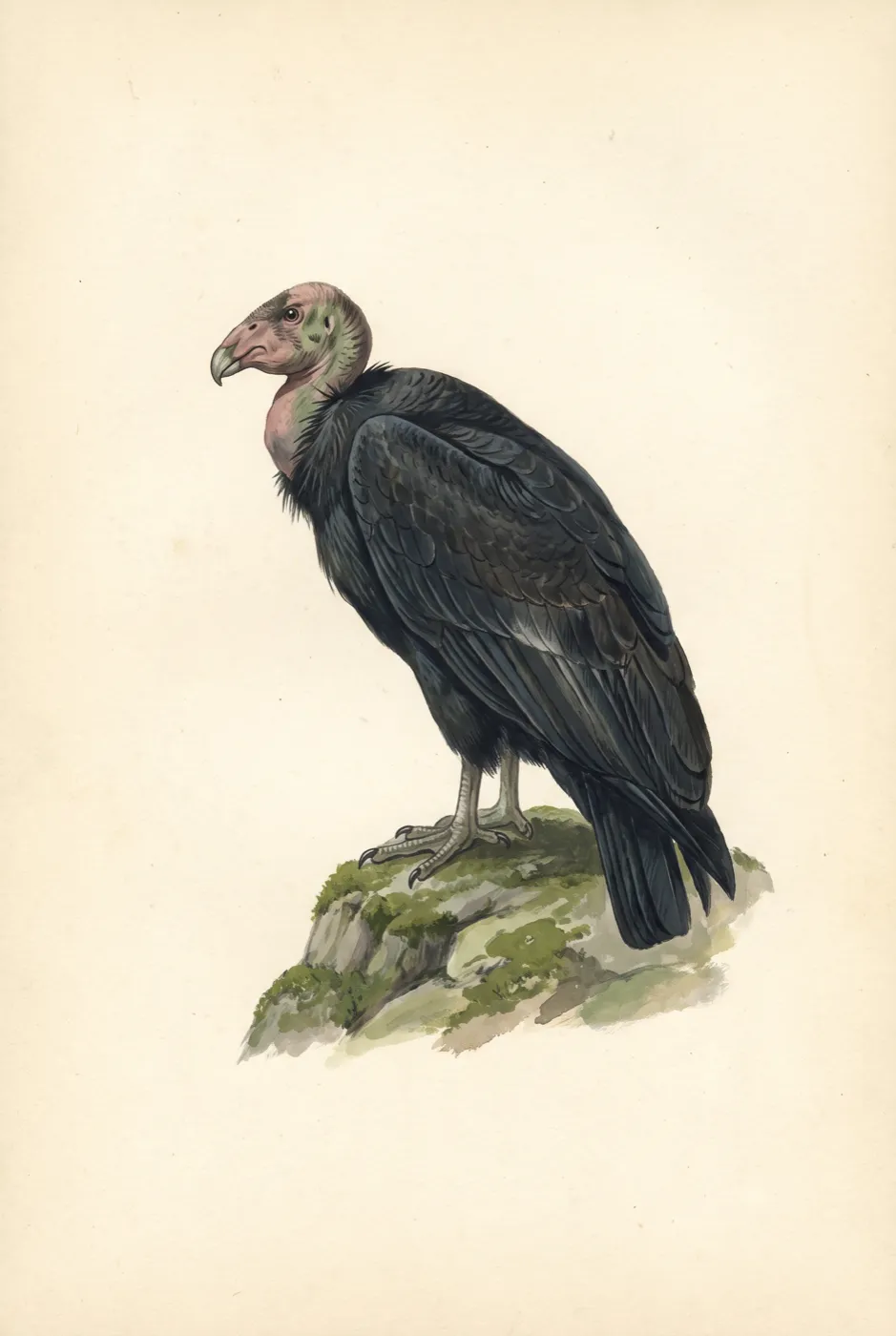
California has restricted lead ammunition twice — inside the range of the California condor under a 2007 law, and for the taking of any wildlife with a firearm anywhere in the state from July 1, 2019 — and across the same stretch the number of condors dying of lead poisoning went up rather than down. An analysis published in March 2026, drawing on almost daily records kept from 1996 to 2023, found that the bans, and the outreach that came with them, did lower the lead reaching condors. What rose alongside them was the birds' exposure to the ground those bans do not reach.
What the ledger says
The U.S. Fish and Wildlife Service publishes a condor population status report every year. The one covering 2025 records 161 confirmed lead poisoning deaths in the free-flying population between 1992 and 2025 — half of the 324 deaths with a known cause, and 28 percent of all 569 deaths recorded in the wild. In 2025 the wild population lost 22 birds, nine of them confirmed to lead, with nine more awaiting a final necropsy. In 2024 lead killed 13. Both of those years sit after the statewide requirement took effect.
The population grew anyway. The same report counts 607 condors alive at the end of 2025, 392 of them free-flying. A species can add birds faster than a poison removes them and still be held in place by the poison, which is the situation the recovery program has been managing for three decades.
The analysis that separated the two
Victoria Bakker of Montana State University, Myra Finkelstein of the University of California, Santa Cruz, and their colleagues published the work in Nature Communications on 18 March 2026. It uses the observational record the recovery program has kept on every free-flying condor since 1996 — where each bird went, what it was offered, what its blood showed.
Held against that record, the legislation and the outreach campaigns around it came out as real reductions in lead exposure. The rise in poisonings came from somewhere else, and mostly it came from the condors. Over the study period, attendance at the clean carcasses conservation workers put out fell by 52 percent in the central California flock and 85 percent in the southern one. Time spent near the release sites — where enforcement is tightest and free non- lead ammunition is easiest to come by — fell 42 and 70 percent respectively.
A condor that ranges farther from the place it was released is a condor behaving like a wild condor. It is also a condor feeding in country where nobody handed the hunter a box of copper bullets. The authors call this a Red Queen dynamic: the measure works, the conditions move, and the gain shows up as no change at all.
The paper also raises wild pigs — more of them shot in California, more carcasses and gut piles left behind — as a likely driver. The authors say plainly that they lacked the data to establish a direct link. It is a hypothesis in their paper and it stays one here.
What is still true
In the central flock, lead poisoning accounted for 62 percent of deaths; in the southern flock, 44 percent. The number of birds found with potentially lethal blood lead levels nearly doubled in the five years leading up to the study. None of that is an argument against the bans. It is a measurement of how much lead is still on the landscape, and of how far a bird will travel to find it.
The people closest to the problem have been treating it as an ammunition supply question rather than an enforcement one. Ventana Wildlife Society has given out more than 19,000 free boxes of non-lead rifle ammunition to hunters and ranchers across central California since 2012, up to two boxes a month, no argument attached. Finkelstein's own suggestion after the study was narrower and in the same direction: reach the people shooting wild pigs and deer, and tell them what a fragment does to a scavenger.
That is the shape of the thing. Two laws that were correct on the science, a recovery that keeps widening the area the laws have to cover, and a bird whose survival turns on which box of ammunition a stranger picks up. The record we keep for the condor is the other half of this.
Sources
Read the same pages this note was written from. A citation is not a partnership or an endorsement.
- fws.gov · https://www.fws.gov/sites/default/files/documents/2026-02/2025-california-condor-population-status_508-compliant.pdf
- news.ucsc.edu · https://news.ucsc.edu/2026/03/adventurous-vultures-plight/
- eurekalert.org · https://www.eurekalert.org/news-releases/1120368
- wildlife.ca.gov · https://wildlife.ca.gov/hunting/nonlead-ammunition
- audubon.org · https://www.audubon.org/california/news/ban-toxic-lead-hunting-ammunition-takes-effect-california
- ventanaws.org · https://www.ventanaws.org/ammunition.html
Free to read
Reading is where it starts.
Witness keeps one species a week: a drawn plate, its true story with sources, and one honest action. The archive is open to read, and these notes are the reading around it.
More in Policy
View all →