The Endangered Species Act is the 1973 United States law under which a plant or animal is listed as endangered or threatened, after which three things follow: a prohibition on "taking" the species, a duty on every federal agency to avoid jeopardising it or destroying its critical habitat, and a plan for its recovery. For fifty years the prohibition reached habitat as well as animals, through the regulatory definition of one word, "harm". That definition was rescinded with effect from 14 September 2026. The Act still protects a listed species from being killed, captured or pursued. Whether it still protects the place the species lives now depends on who owns the land and whether a federal agency is involved.
A law passed almost without opposition
The Senate passed the bill 92 to 0 in July 1973 and the House passed the final version 355 to 4 in December; President Nixon signed it on 28 December 1973. Two agencies administer it. The Fish and Wildlife Service handles land and freshwater species, and the National Marine Fisheries Service handles marine and sea-running species like salmon. The statute's own definition of success is worth reading first, because it is stricter than the word "protect": to "conserve" a species means to use every method necessary "to bring any endangered species or threatened species to the point at which the measures provided pursuant to this chapter are no longer necessary." The law defines its goal as its own irrelevance.
Endangered, threatened, and the five reasons
An endangered species is one "in danger of extinction throughout all or a significant portion of its range." A threatened species is one "likely to become an endangered species within the foreseeable future." The decision rests on five statutory factors: destruction or curtailment of habitat, overuse, disease or predation, the inadequacy of existing regulation, and other natural or manmade factors. It must be made "solely on the basis of the best scientific and commercial data available" — and the word solely was added by Congress in 1982 to keep economics out of the listing decision, according to the Congressional Research Service.
This is the machinery the IUCN Red List does not have. A Red List category is an assessment that binds nobody; a listing under this Act is a legal status with prohibitions attached, which is why "endangered" sometimes means help is coming and sometimes means only that a scientist has measured a risk. The two systems can disagree about the same animal. Foreign species can be listed too, and many are: the vaquita has been on the US list since 1985 without ever entering US waters.
The Service's own list, exported on 21 September 2026, held 1,866 entries listed as endangered and 519 as threatened, plus 77 experimental populations. As of October 2020, per the Congressional Research Service, 71 per cent of listed species were domestic and 29 per cent foreign, and 91 species had been removed from the list since 1973 — about 3.7 per cent of everything ever listed.
The figure most often quoted for the law is that it has prevented the extinction of 99 per cent of the species it protects. It comes from a 2019 study in the journal PeerJ by Greenwald and colleagues, and it is worth knowing what it counts. Of more than 1,700 listed species, four were confirmed extinct after listing and 22 more are possibly extinct; another 71 were last seen before they were listed at all. Against a projection of 291 extinctions without the Act, that is where 99 per cent comes from. It is a measure of prevention. It is not a measure of recovery, which the delisting count above describes far less generously.
What "take" means, and what "harm" meant
Section 9 makes it unlawful to "take" a listed animal, and the statute defines take with ten verbs: "to harass, harm, pursue, hunt, shoot, wound, kill, trap, capture, or collect, or to attempt to engage in any such conduct." Nine of those verbs describe something done to an animal. The tenth, harm, was given its meaning by regulation. In 1975 the Fish and Wildlife Service defined it to include habitat modification, and in 1981 it narrowed the wording to the form that stood for the next 45 years: "an act which actually kills or injures wildlife. Such act may include significant habitat modification or degradation where it actually kills or injures wildlife by significantly impairing essential behavioral patterns, including breeding, feeding or sheltering."
That sentence is how a bulldozer, and not only a rifle, could violate the Act. It was tested in Babbitt v. Sweet Home in 1995, when timber companies and landowners in the Pacific Northwest argued that logging which destroyed the habitat of the spotted owl could not be a "take" of the owl. The Supreme Court upheld the regulation, six to three. Justice Stevens gave three reasons: the ordinary meaning of harm — "to cause hurt or damage to: injure" — includes indirect injury; the Act's purpose was comprehensive; and when Congress created permits for incidental take in 1982 it presupposed that indirect take was prohibited in the first place. Justice Scalia dissented. What the ten verbs share, he wrote, is "the sense of affirmative conduct intentionally directed against a particular animal or animals." Habitat modification that happens to kill was, on his reading, not a take.
The word was removed this month
On 17 April 2025 the two Services proposed rescinding the definition. By the close of comments they had received approximately 358,000 of them. The final rule was published on 14 July 2026 and took effect on 14 September 2026. Its reasoning is short. After the Supreme Court ended judicial deference to agency interpretations in Loper Bright in 2024, the question became whether the regulation matched "the single, best meaning of the statute," and the Services concluded it did not: "We adopt Justice Scalia's rationale." No replacement definition was written. The separate definition of "harass" was left in place.
On the day the rule took effect, the Director of the Fish and Wildlife Service sent his staff a memo on how to apply it. A take now requires four elements: an affirmative act, intentionally directed at an animal, with a direct and immediate effect, on a particular animal rather than a population or a habitat. Two of the memo's examples say more than any summary could. "A vessel that inadvertently strikes a whale has not taken it, because the vessel's course was not set against the whale." And: "Felling a tree is not a take of the bats roosting in it unless the tree is felled for the purpose of killing or capturing them."
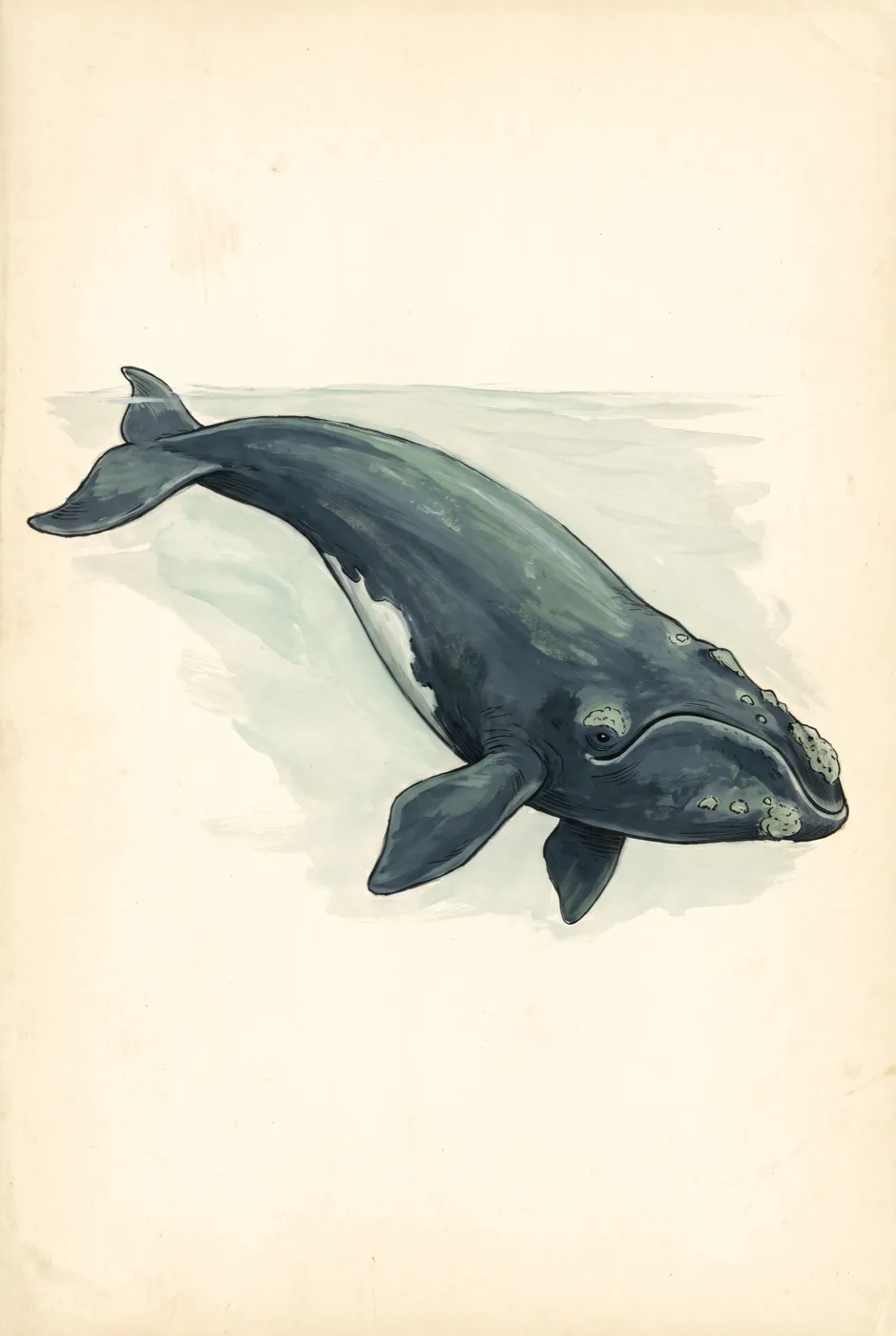
In practice: on private land, where no federal permit or federal money is involved, clearing the habitat of a listed species is no longer a violation of section 9. The Services say they will no longer require a permit for take "attributed solely to habitat modification," and will keep issuing permits and working on habitat conservation plans where conduct is directed at animals. A whale killed by a ship's hull — the leading danger for the North Atlantic right whale — is still covered by the Marine Mammal Protection Act, a separate statute with its own definition of take, which the rule does not touch. A Stanford Law School explainer put the interval plainly: "litigation takes years, and in the meantime, habitat can legally be destroyed."
The litigation exists. Two suits were filed the day the rule was published, one in Seattle by a coalition that includes the Center for Biological Diversity and the Sierra Club and one in northern California, and more followed. On 9 September 2026, twenty states and the District of Columbia sued in the Northern District of California over this rule and two others described below. In Congress, a bipartisan bill to nullify the rule, the Safeguarding Endangered Species Act, was introduced in July by Brian Fitzpatrick, a Republican, and Mike Quigley, a Democrat. A larger bill to rewrite the Act itself, the ESA Amendments Act, was pulled from the House floor in April 2026 before a vote.
Critical habitat is narrower than its name
Critical habitat is not a species' range. The statute defines it as the specific areas, within the range occupied at listing, that hold "those physical or biological features essential to the conservation of the species" and that "may require special management considerations or protection," plus unoccupied areas only where the Secretary finds them essential. The Act says outright that critical habitat "shall not include the entire geographical area which can be occupied" by the species. It is meant to be designated at listing "to the maximum extent prudent and determinable," economics may be weighed, and any area may be excluded unless excluding it "will result in the extinction of the species."
What a designation does is also narrower than its reputation. It binds federal agencies, through the consultation duty in the next section, and nobody else. A designation "does not affect land ownership or establish a refuge, wilderness, reserve, preserve, or other conservation area," does not open private land to the public, and requires no restoration by a private owner. If you own the land and need no federal permit, the map changes nothing for you. In 2018 the Supreme Court added one more limit, unanimously, in a case about a frog and a Louisiana timber tract the frog had not occupied since 1965: "critical habitat must also be habitat."
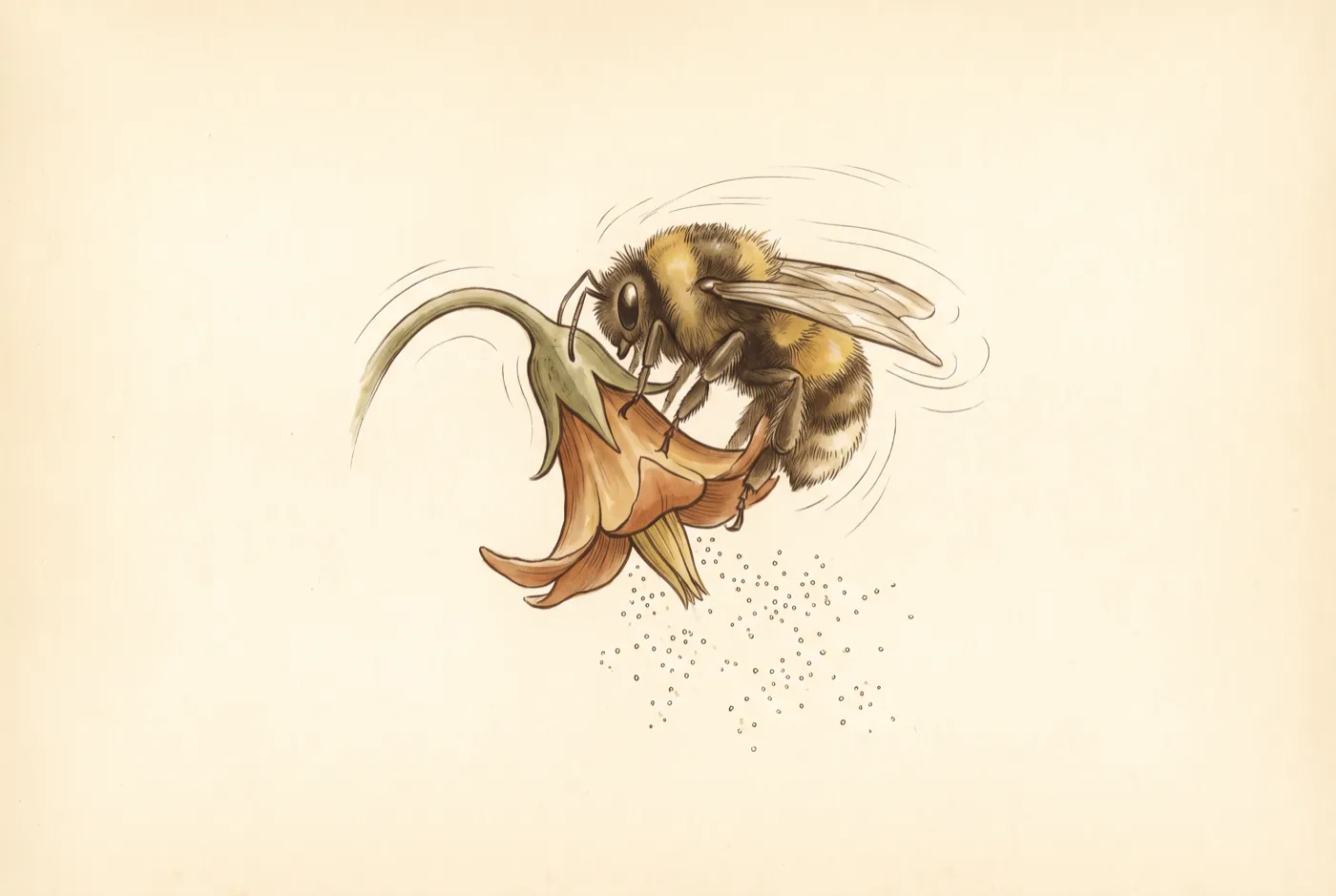
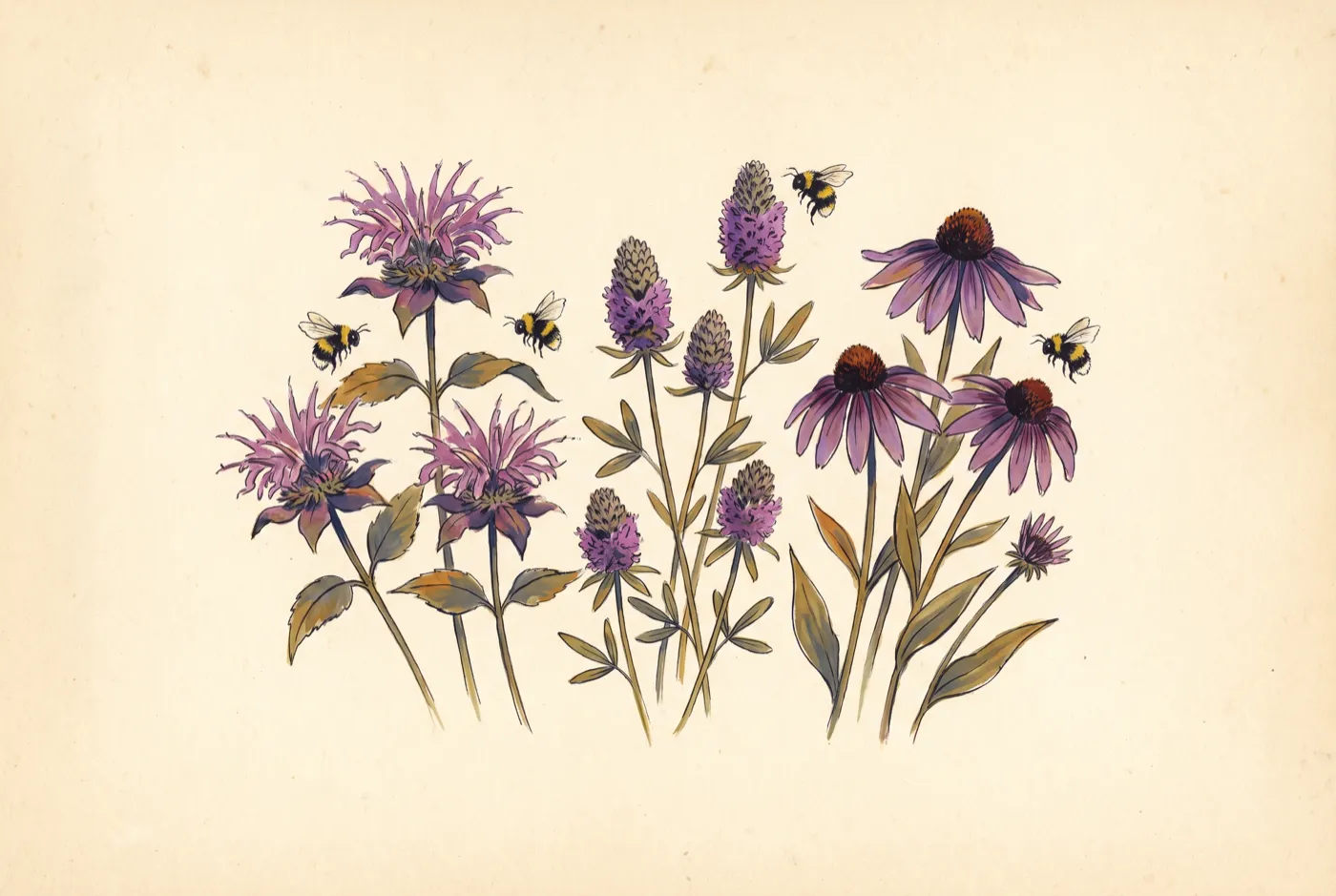
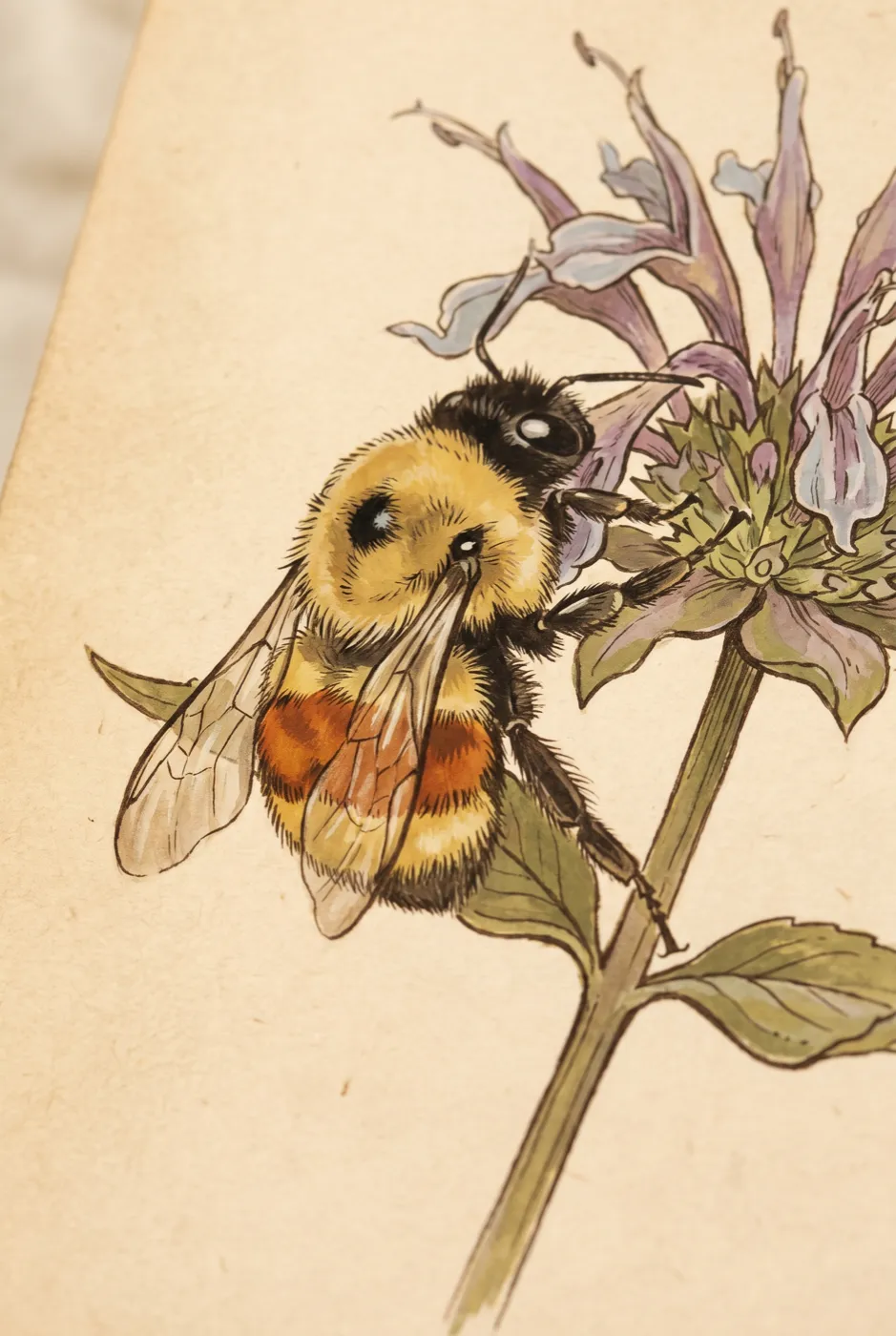
The rusty patched bumble bee shows what the designation is worth and what it is not. Listed as endangered in 2017, it was refused critical habitat in 2020 on the grounds that it was a habitat generalist and a designation would not be prudent. A federal court in Washington set that decision aside in 2023. The final rule took effect on 1 July 2026: 1,534,951 acres in 14 units across 33 counties in Illinois, Iowa, Minnesota, Virginia, West Virginia and Wisconsin, most of it private, and about 79,859 acres excluded because they were already enrolled in a voluntary agreement for the monarch. One unit alone, 520,854 acres around Minneapolis and St Paul, is 462,540 acres of private land. On those acres the designation applies only when a federal permit or federal dollar is in play. Since 14 September, on the same acres, it is the only habitat protection the bee's listing carries at all.
The designation rules themselves changed on 20 August 2026, when a final rule widened the grounds for excluding areas on economic and other impacts. It is one of the two rules the states' suit names alongside harm.
Section 7: the duty, the dam, and the committee
Section 7 is the half of the Act that the rescission did not reach. Every federal agency must "insure that any action authorized, funded, or carried out by such agency" is "not likely to jeopardize the continued existence" of a listed species "or result in the destruction or adverse modification" of its critical habitat. The Services answer in a biological opinion, and where take is unavoidable they attach an incidental take statement setting the terms. That is where a federal highway, a dam, a pipeline permit or an offshore lease meets the law — and it is why habitat on private land was always protected more by section 9 than by this section, unless a federal permit was involved.
The duty was tested in 1978, in the first case under the Act to reach the Supreme Court. A three-inch fish, the snail darter, had been listed in 1975 because the Tennessee Valley Authority's Tellico Dam would flood the only river it was known from. The Court stopped the dam, six to three, and Chief Justice Burger's sentence has been quoted ever since: "The plain intent of Congress in enacting this statute was to halt and reverse the trend toward species extinction, whatever the cost." The dam was, in the Court's words, "virtually completed" and had cost "more than $100 million." Congress answered twice. It exempted Tellico by statute in 1979, and in 1978 it created a seven-member Endangered Species Committee — the Cabinet-level "God Squad" — that can exempt a federal action by five votes, and must exempt one if the Secretary of Defense finds it necessary for national security.
The committee sat in 1979, when it refused the Tellico exemption and granted one for a Wyoming dam, and in 1992, over timber sales in spotted owl forest. Then it did not meet for 34 years. On 31 March 2026 it voted unanimously to exempt oil and gas leasing across the Gulf of Mexico from consultation, on a national security finding by the Secretary of Defense — the first exemption ever granted on that ground. The programme it exempted was one that the Fisheries Service's own 2025 biological opinion had found "likely to jeopardize the continued existence of the Rice's whale." That decision is in litigation too.
The snail darter, for its part, was moved to threatened in 1984 and removed from the list in October 2022 as recovered — the fifth fish ever delisted for recovery, and the first in the eastern United States. The fish that stopped a dam outlived the argument.
Threatened is not endangered with a discount
The prohibitions in section 9 apply by their terms to endangered species. Threatened species get whatever regulations the Secretary "deems necessary and advisable," under section 4(d). From 1975 the Fish and Wildlife Service applied a blanket rule that gave threatened wildlife nearly everything an endangered species has unless a species-specific rule said otherwise; the Fisheries Service never had one. The blanket rule was removed in 2019, restored in 2024, and removed again by a final rule effective 20 August 2026 for any species listed or reclassified as threatened after that date. Species already on the list keep what they had. For everything listed from now on, a threatened species' actual protection is whatever its own 4(d) rule says, written at the moment of listing — and that rule, not the word "threatened," is the thing to read.
How to read a listing now
Four questions settle what a listing does for an animal in September 2026. Which agency lists it. Whether it is endangered or threatened, and if threatened, what its 4(d) rule allows. Whether critical habitat has been designated, and how much of it is federal. And whether the thing threatening it needs a federal permit or federal money, because after 14 September that is the hinge on which habitat turns. Every species has a public profile on the Service's ECOS system, and every decision described above was published in the Federal Register, where it can be read in the words the agency chose.
The Act was never as broad as its admirers said and never as obstructive as its critics said. CITES governs borders, the Red List measures risk, and this law — alone among the three — carries prohibitions and money. What changed this month is precise enough to state in one line: the animal is still protected; its habitat is protected where a federal agency is involved, and where it is not, the question has gone back to the courts. A claim should not exceed its evidence. Neither should a law's reputation, in either direction.
Sources
Read the same pages this note was written from. A citation is not a partnership or an endorsement.
- law.cornell.edu · https://www.law.cornell.edu/uscode/text/16/1532
- law.cornell.edu · https://www.law.cornell.edu/uscode/text/16/1533
- law.cornell.edu · https://www.law.cornell.edu/uscode/text/16/1536
- law.cornell.edu · https://www.law.cornell.edu/uscode/text/16/1539
- law.cornell.edu · https://www.law.cornell.edu/cfr/text/50/17.3
- govinfo.gov · https://www.govinfo.gov/content/pkg/FR-2026-07-14/pdf/2026-14195.pdf
- endangered.org · https://www.endangered.org/assets/uploads/2026/09/FWS-Harm-Implementation-Guidance-dtd-14SEP26.pdf
- fws.gov · https://www.fws.gov/project/endangered-species-act-regulation-revisions
- fws.gov · https://www.fws.gov/press-release/2026-07/trump-administration-finalizes-endangered-species-act-regulation-reform
- law.cornell.edu · https://www.law.cornell.edu/supremecourt/text/437/153
- law.cornell.edu · https://www.law.cornell.edu/supct/html/94-859.ZO.html
- law.cornell.edu · https://www.law.cornell.edu/supct/html/94-859.ZD.html
- law.cornell.edu · https://www.law.cornell.edu/supremecourt/text/17-71
- congress.gov · https://www.congress.gov/crs_external_products/R/PDF/R46677/R46677.5.pdf
- congress.gov · https://www.congress.gov/crs_external_products/LSB/PDF/LSB11421/LSB11421.1.pdf
- ecos.fws.gov · https://ecos.fws.gov/ecp/report/boxscore
- govinfo.gov · https://www.govinfo.gov/content/pkg/FR-2026-06-01/pdf/2026-10846.pdf
- fws.gov · https://www.fws.gov/press-release/2026-05/finalized-habitat-protections-endangered-rusty-patched-bumble-bee
- fws.gov · https://www.fws.gov/press-release/2022-10/department-interior-celebrates-recovery-snail-darter
- peerj.com · https://peerj.com/articles/6803/
- biologicaldiversity.org · https://www.biologicaldiversity.org/news/press_releases/2019/endangered-species-act-04-22-2019.php
- history.house.gov · https://history.house.gov/Historical-Highlights/1951-2000/The-Endangered-Species-Act-of-1973/
- earthjustice.org · https://earthjustice.org/press/2026/lawsuit-seeks-to-protect-americas-wildlife-from-trump-administration
- oag.ca.gov · https://oag.ca.gov/news/press-releases/attorney-general-bonta-files-lawsuits-challenging-trump-administration%E2%80%99s-attempt
- fitzpatrick.house.gov · https://fitzpatrick.house.gov/2026/7/fitzpatrick-quigley-lead-bipartisan-effort-to-stop-sweeping-rollback-of-endangered-species-protections
- sierraclub.org · https://www.sierraclub.org/press-releases/2026/04/house-representatives-pulls-bill-gut-endangered-species-act
- law.stanford.edu · https://law.stanford.edu/2026/07/23/endangered-species-acts-harm-rule-explained-what-the-change-means-for-wildlife/
- time.com · https://time.com/article/2026/03/31/endangered-species-protections-commitee-gulf-of-mexico-oil-gas-drilling/
- eelp.law.harvard.edu · https://eelp.law.harvard.edu/tracker/endangered-species-act-regulations/
Free to read
Reading is where it starts.
Witness keeps one species a week: a drawn plate, its true story with sources, and one honest action. The archive is open to read, and these notes are the reading around it.
More in Policy
View all →