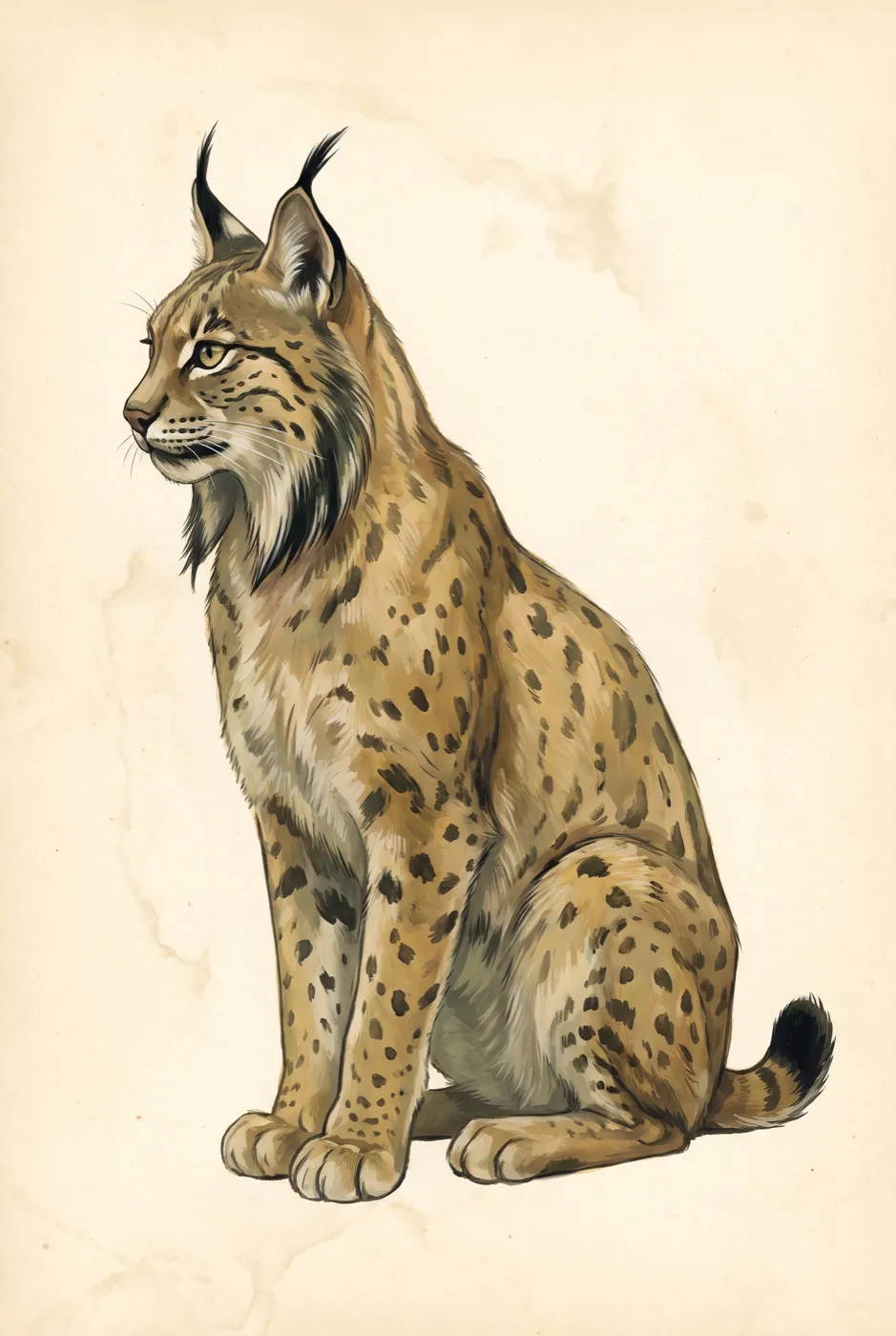
The 2025 Iberian lynx census counted 2,663 animals across Spain and Portugal, including 542 breeding females, and then added a caveat that is easy to read past: the figure should be treated as a minimum. There are now enough lynx, in enough places, that the people counting them can no longer identify every individual. The count did not become more precise as the species recovered. It became less precise, in the direction of undercounting.
A census that outgrew its method
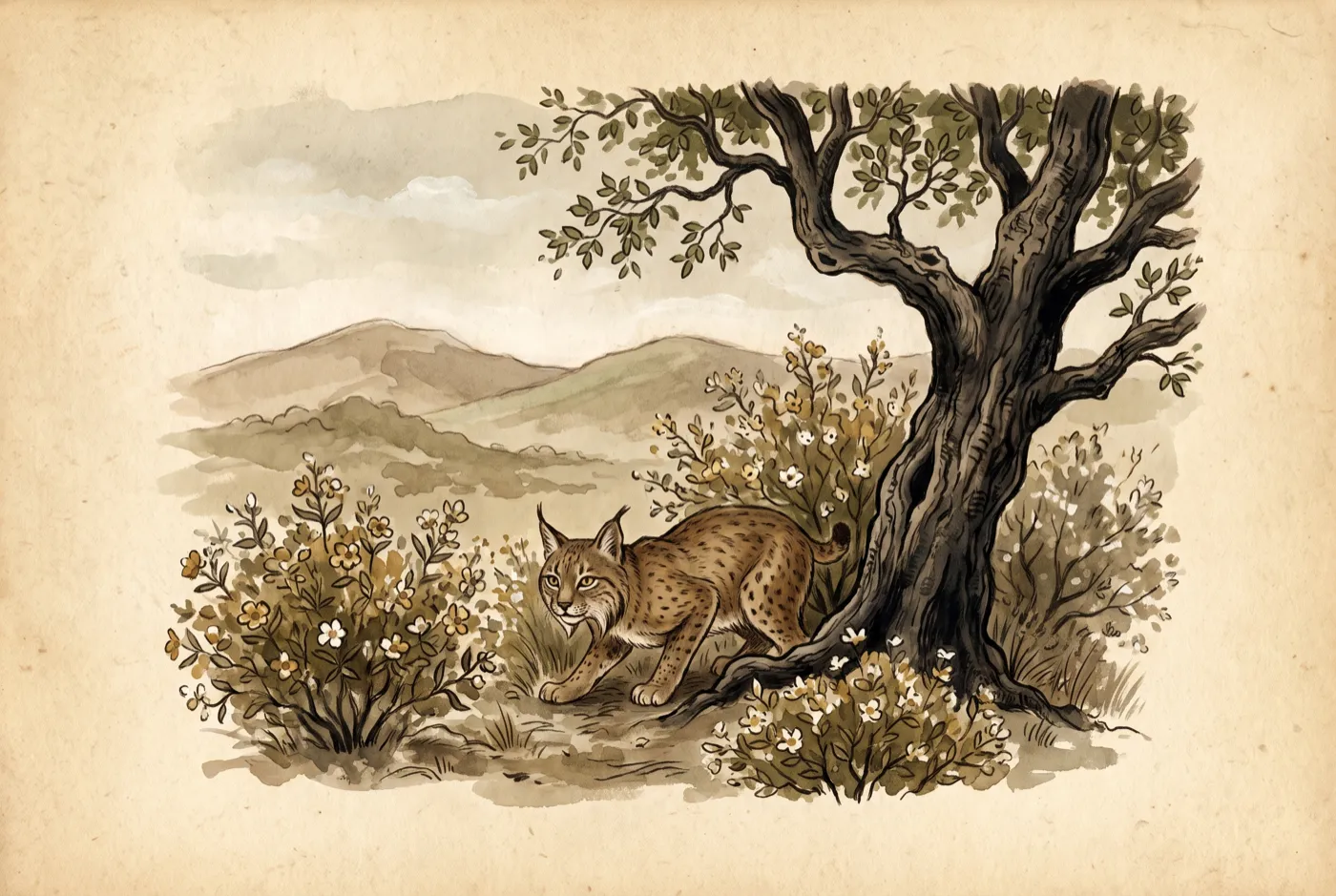
The Iberian lynx has been counted the way a small population can be counted: individually. Camera traps, coat patterns, known territories, named animals. That method is exact while the animals are few, which is precisely the condition conservation is trying to end. In 2021 the working group registered 1,365 lynx. Four years later it registered 2,663, an increase of about 95%, and reported that the growing population makes registering and identifying every individual increasingly difficult.
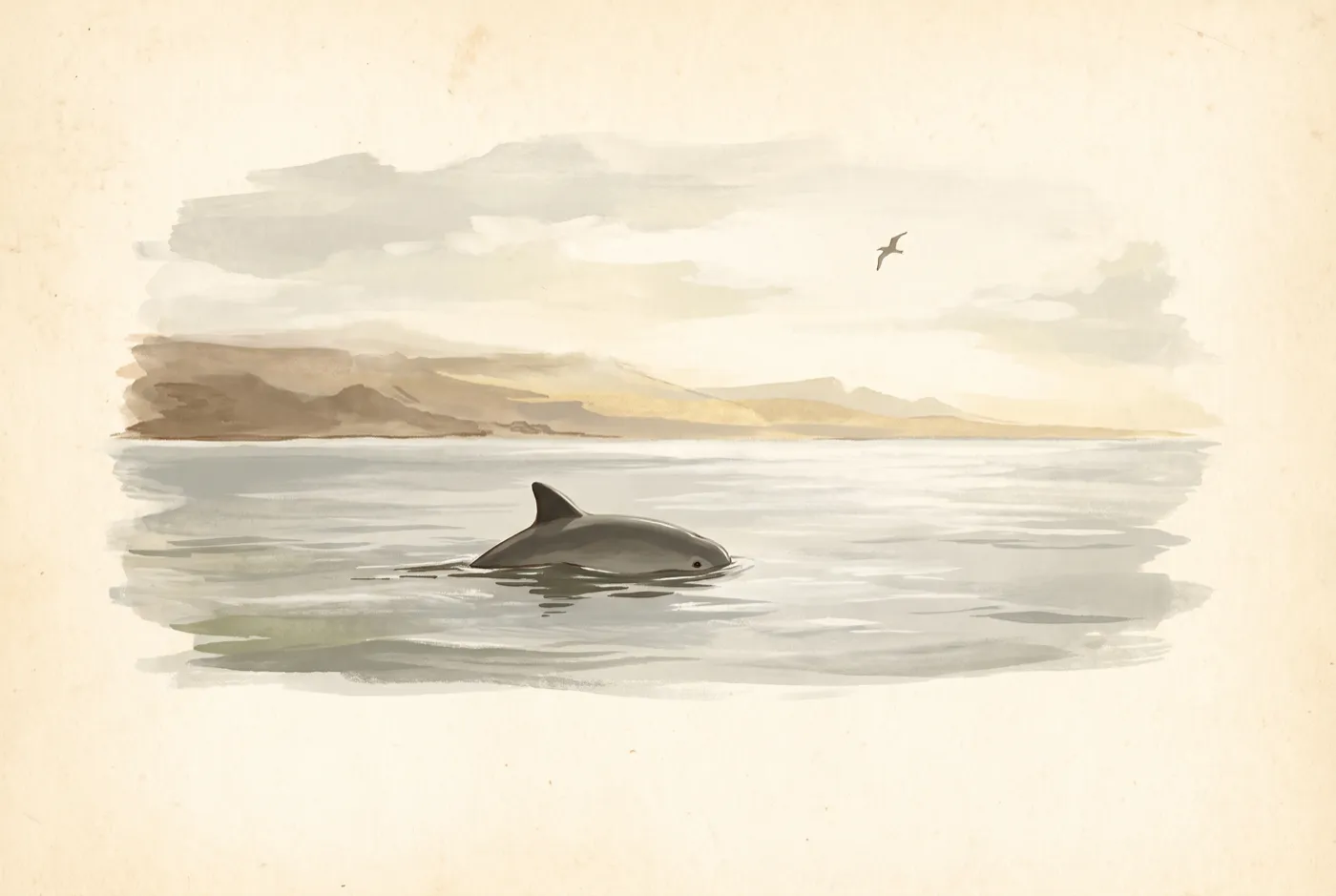
There is a strange symmetry here with the vaquita, where the number is uncertain for the opposite reason. Seven to ten animals cannot be counted precisely because so few encounters exist to count. Two thousand six hundred cannot be counted precisely because there are too many to keep track of one at a time. In both cases the honest output is not a number but a number with a method attached — and in the lynx's case, the method now produces a floor.
What is still killing them
The same census recorded 273 lynx deaths in 2025. Of those, 212 — nearly four-fifths — were animals hit on roads.
That is worth sitting with, because it is not the threat the recovery was designed against. The lynx nearly disappeared when disease collapsed the rabbit populations it depends on almost entirely, and the response was built around rabbits, habitat and breeding. The response worked. What it produced is a larger population moving through a landscape criss-crossed by traffic, in which the leading recorded cause of death is a car. Recovery did not remove the species' problems. It replaced them with the problems of a species that gets around.
What recovered would mean
In June 2024 the IUCN moved the Iberian lynx from Endangered to Vulnerable, a change it attributed to sustained conservation work — the assessment counted 62 mature individuals at the 2001 low point and 648 in 2022. Occupied range grew from 449 square kilometres in 2005 to at least 3,320 today, and more than 400 captive-bred animals have been released since 2010.
The same assessment is careful about the ceiling. Under the IUCN's Green Status framework, which asks not whether a species is safe but how close it is to being fully recovered across its historical range, the Iberian lynx could reach fully recovered status in roughly a hundred years — and only if conservation continues at maximum effectiveness for that entire span. A downlisting is not a finish line. It is a species moving from one category of risk to a slightly less urgent one, on the condition that nobody stops.
Which is the part that makes this a story worth keeping rather than celebrating. The lynx recovered because a set of institutions did unglamorous work for two decades without an audience, and the reward for that work is a longer list of things that must keep being done. The record we hold for this species has the sources; this is only the arithmetic around it.
Sources
Read the same pages this note was written from. A citation is not a partnership or an endorsement.
The reading around the record, delivered.
The email edition is being set up. Until then, the feed carries every note the day it ships.
More in Species
View all →