Critically Endangered is the highest of the three threatened categories on the International Union for Conservation of Nature's Red List. A species earns it by meeting at least one of five criteria indicating an extremely high risk of extinction in the wild. Those criteria measure different things: how fast a population is falling, how small its range is, how few breeding adults are left, and the modelled probability that it disappears. Meeting any single one is enough. The category is a statement about risk, not a count of survivors.
Where the category sits
The Red List has nine categories, running from Not Evaluated to Extinct. Critically Endangered, Endangered and Vulnerable are the three grouped together as threatened, and they nest: anything listed Critically Endangered would also qualify as Endangered and as Vulnerable. The category above it is Extinct in the Wild, which is not a matter of risk at all but of where the last individuals are.
The five criteria
The thresholds come from a document called IUCN Red List Categories and Criteria, version 3.1, first published in 2001 and reissued in a second edition in 2012 that corrected the presentation without altering the system itself. For Critically Endangered, an assessor is looking for any one of these:
- A. Decline. A population reduction of at least 90% over ten years or three generations, whichever is longer, where the causes are understood, reversible and have stopped — or at least 80% where they have not. - B. Range. An extent of occurrence below 100 square kilometres, or an area of occupancy below 10 square kilometres, together with at least two further signs: severe fragmentation or a single location, continuing decline, or extreme fluctuation. - C. Small and falling. Fewer than 250 mature individuals, with a continuing decline alongside it. - D. Small. Fewer than 50 mature individuals. - E. Modelled. A quantitative analysis putting the probability of extinction in the wild at 50% or more within ten years or three generations.
Each species is evaluated against all five, and every criterion it meets at the highest threat level is recorded. But only one has to be met.
Why it is not a headcount
Three of those five doors are not about how many animals are alive. Criterion A is a rate — a species that has lost four-fifths of its population in three generations qualifies whether the survivors number in the hundreds or the tens of thousands. Criterion B is about geography. Criterion E is a probability produced by a model. Only C and D are thresholds on abundance, and even they count something narrower than a population: the standard defines population size as the number of mature individuals only, assessed in the wild and inside the natural range. Animals in captivity are not in the total.
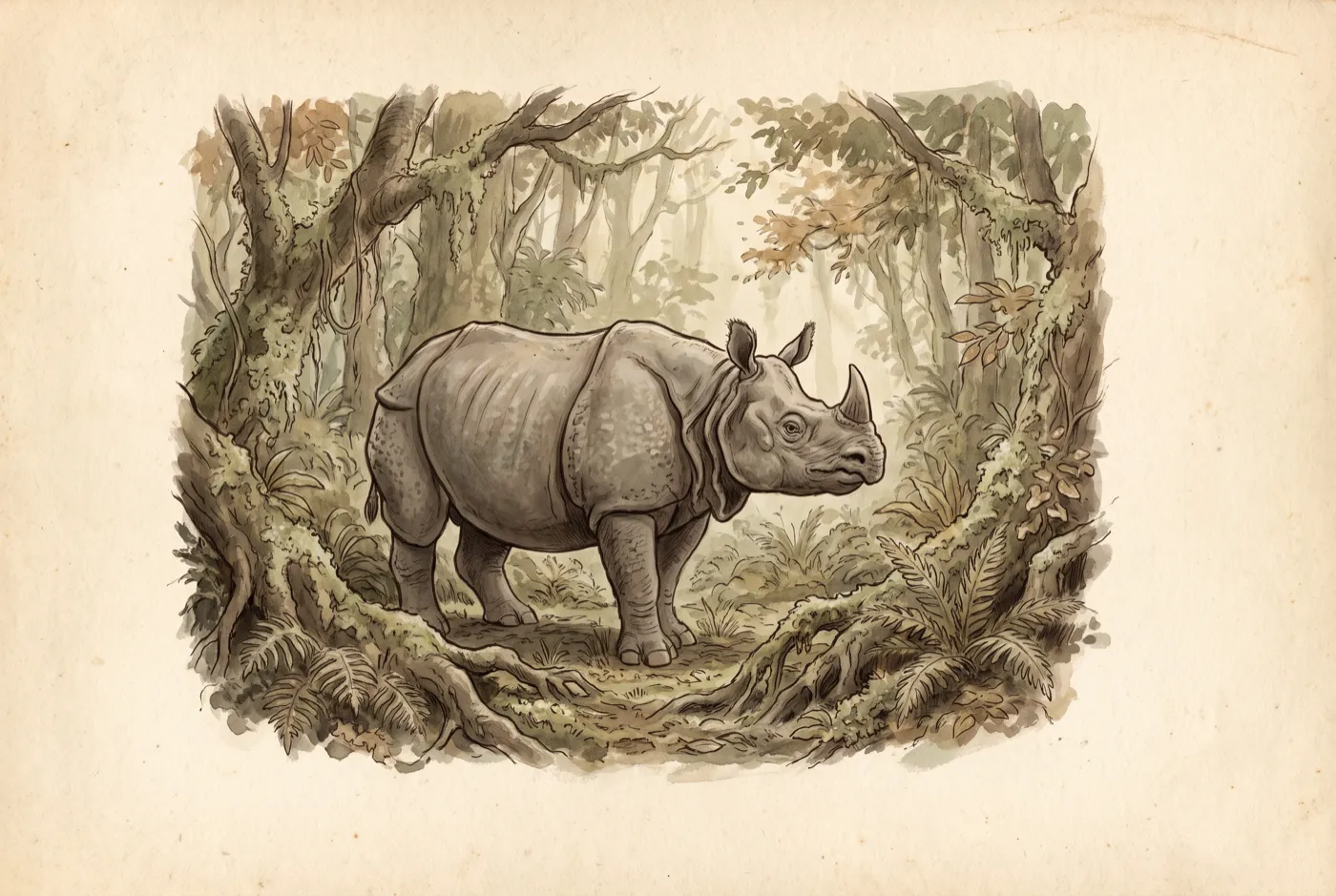
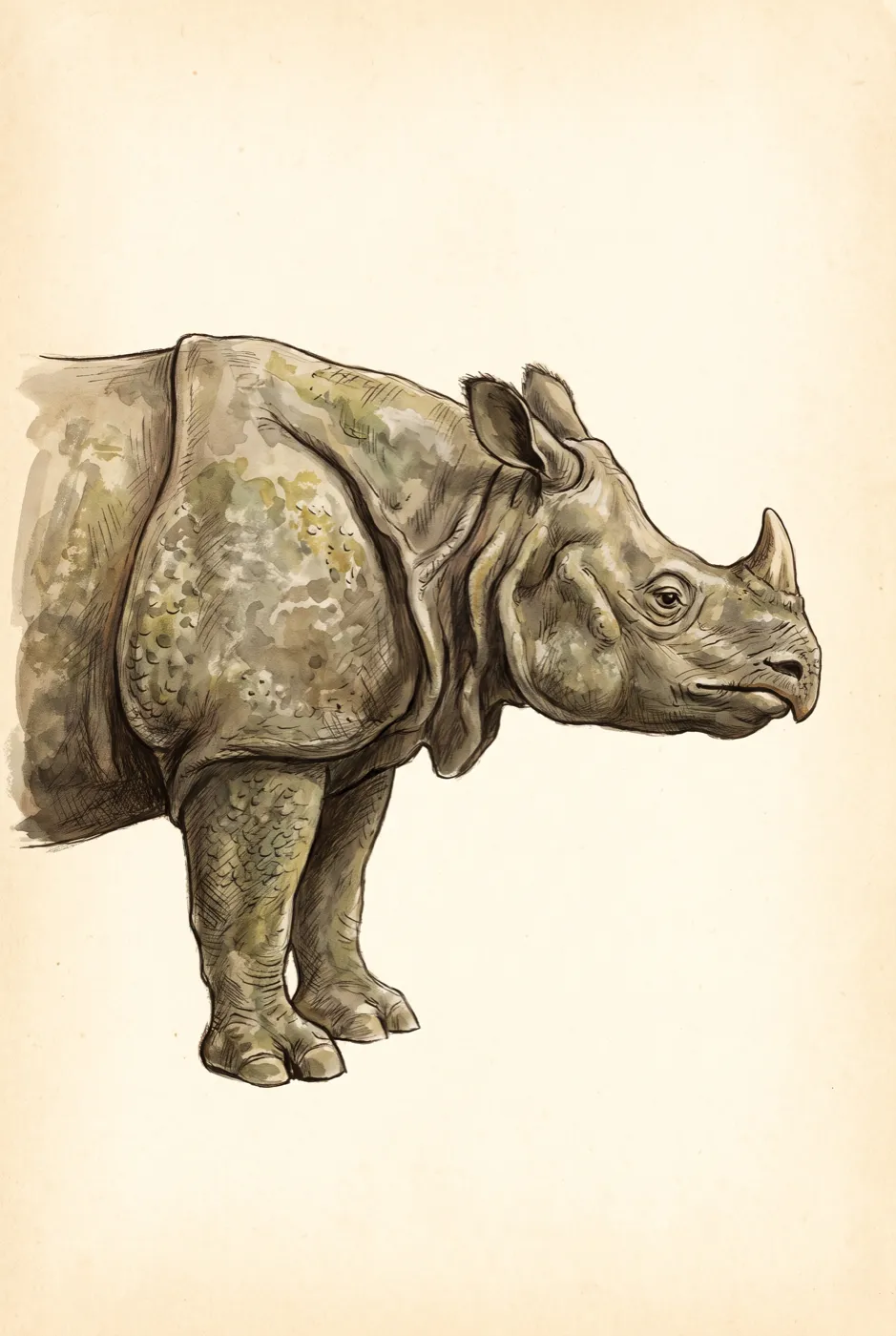
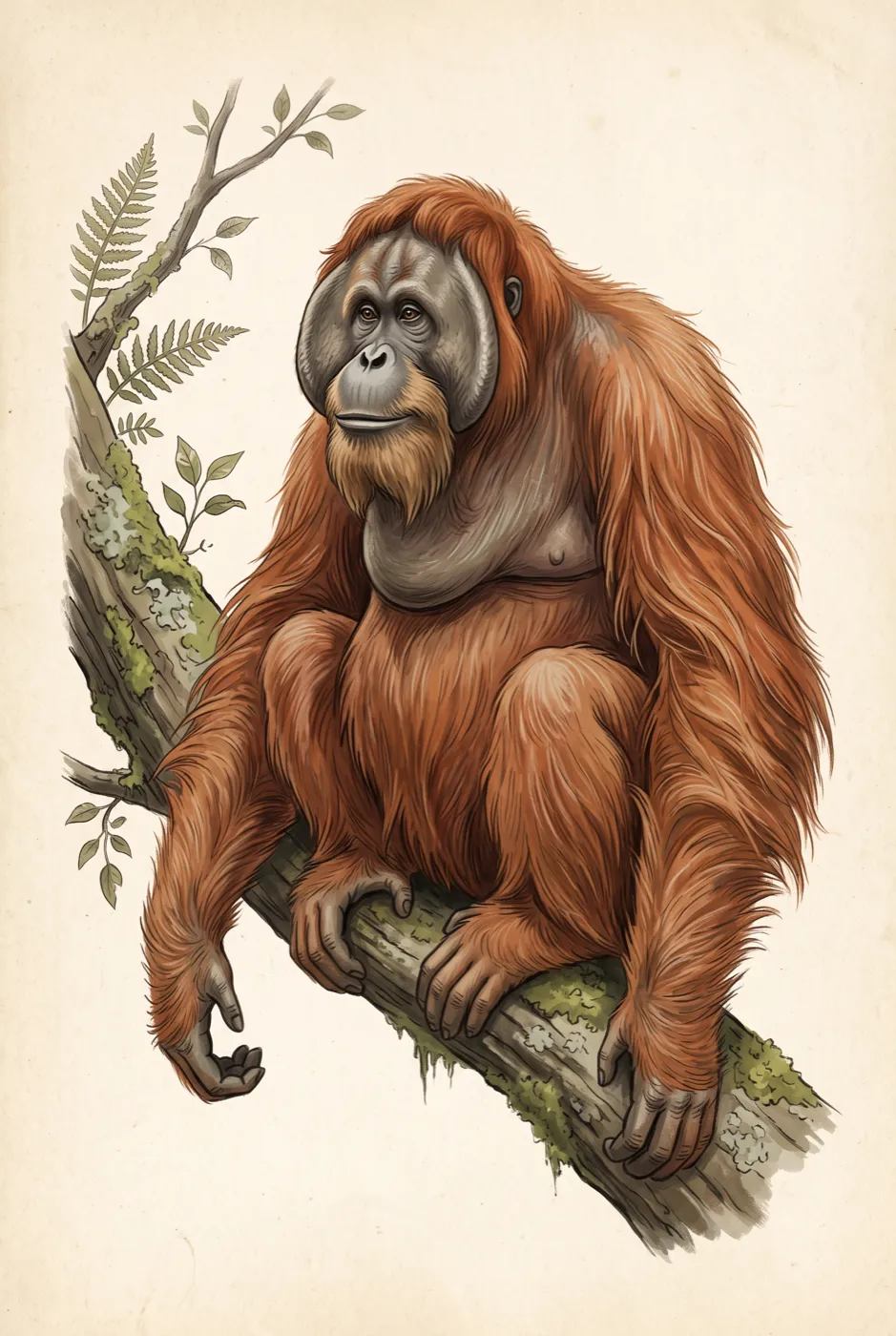
Which is why two species can share the category and look nothing alike. The Javan rhino and the Sumatran orangutan are both listed Critically Endangered. One is counted in tens, the other in thousands.
What the standard admits about itself
The document is candid in a way its summaries rarely are. It observes that extinction is a chance process, so a higher category means a higher expectation of extinction over the stated period — not a sentence passed on a species.
It adds a point that almost never survives into secondary accounts: a species persisting for years in a high-risk category does not mean the original assessment was wrong. The listing was a probability, never a date.
And on the numbers themselves, the standard concedes that the thresholds were arrived at through wide consultation and set where they were generally judged appropriate, even though no formal justification exists for those particular values. They are a considered convention, and the document says so in its own preamble rather than leaving anyone to discover it.
Reading a category honestly
A category tells you what an assessor concluded, under a named version of a standard, at the time of the assessment. It does not tell you how many are left, when they were last counted, or whether anything has changed since. Those are three separate questions, and the category is routinely quoted in place of all three. When the number is what you actually want, ask what the number counts and when it was measured.
Sources
Read the same pages this note was written from. A citation is not a partnership or an endorsement.
- portals.iucn.org · https://portals.iucn.org/library/sites/library/files/documents/RL-2001-001-2nd.pdf
- portals.iucn.org · https://portals.iucn.org/library/node/10315
- iucn.org · https://iucn.org/resources/conservation-tool/iucn-red-list-threatened-species
- rhinos.org · https://rhinos.org/about-rhinos/rhino-species/javan-rhino/
- orangutans-sos.org · https://www.orangutans-sos.org/learn/conservation-challenges/
The reading around the record, delivered.
The email edition is being set up. Until then, the feed carries every note the day it ships.
More in Numbers
View all →